
Logo
Get Estimate

Front-Load Washer Repair in Washington

Get your washer draining, spinning, and sealing correctly


Front-Load Washer Repair in Washington helps homeowners and property managers get a dependable laundry routine back when a washer leaks, stops spinning, or leaves clothes soaking wet. We handle common front-load faults across the state, from door-lock problems to clogged drain pumps. Our front-loading washing machine repair in Washington starts with testing the fault, explaining the repair, and checking a complete wash cycle before we finish.

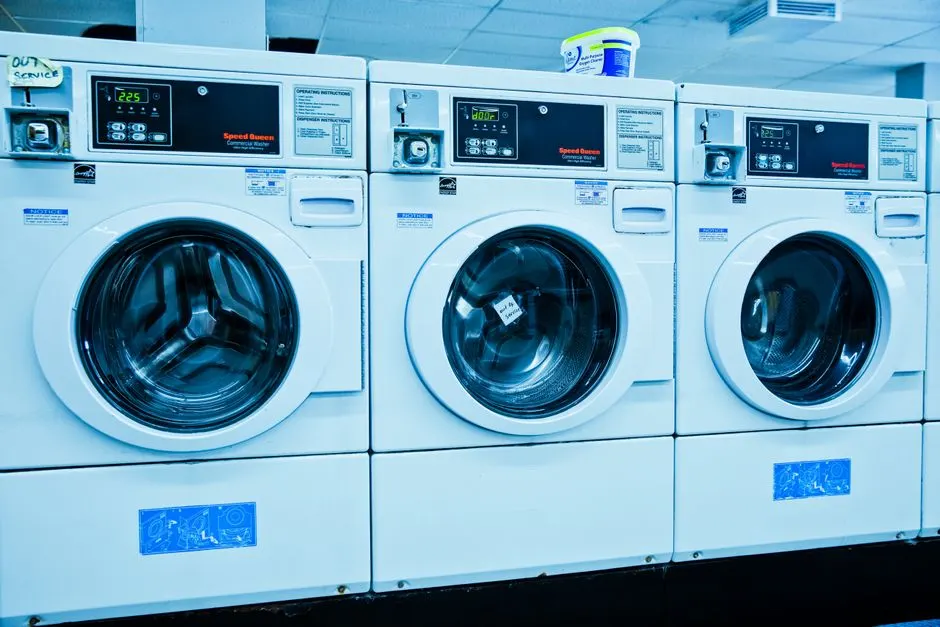
Contemporary laundromat with automated washing machines. Ideal for laundry and cleaning services.
Licensed Licensed & Bonded
Fully Insured Insured & Bonded
24/7 Emergency Same-Day Response
Warranty Backed Workmanship Guaranteed

What Front-Load Repair Includes

Front-load repair includes symptom diagnosis, inspection of the affected system, a recommended repair, and a functional check after work. We address faults involving drainage, filling, spinning, door locks, seals, and controls. Replacement parts and repairs beyond the identified fault are discussed with you before work proceeds; we do not treat a quick reset as proof that the underlying problem is fixed.

Fault Diagnosis

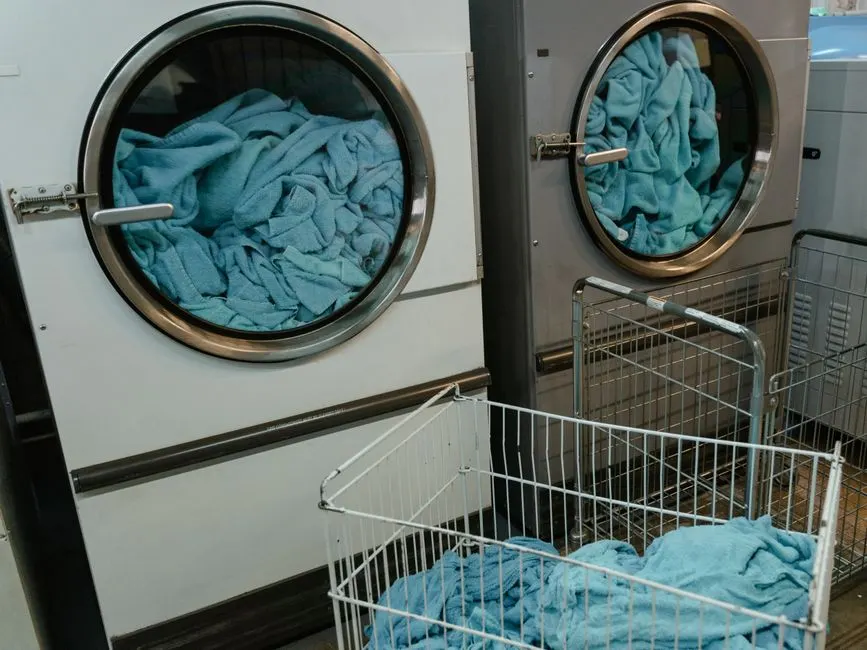
We review error codes and reproduce the reported symptom where safe. The technician checks the related pump, lock, water path, or control response and explains the cause in practical terms. Diagnosis is the foundation for choosing the right repair rather than replacing parts based on a symptom alone.
Drain And Fill Checks

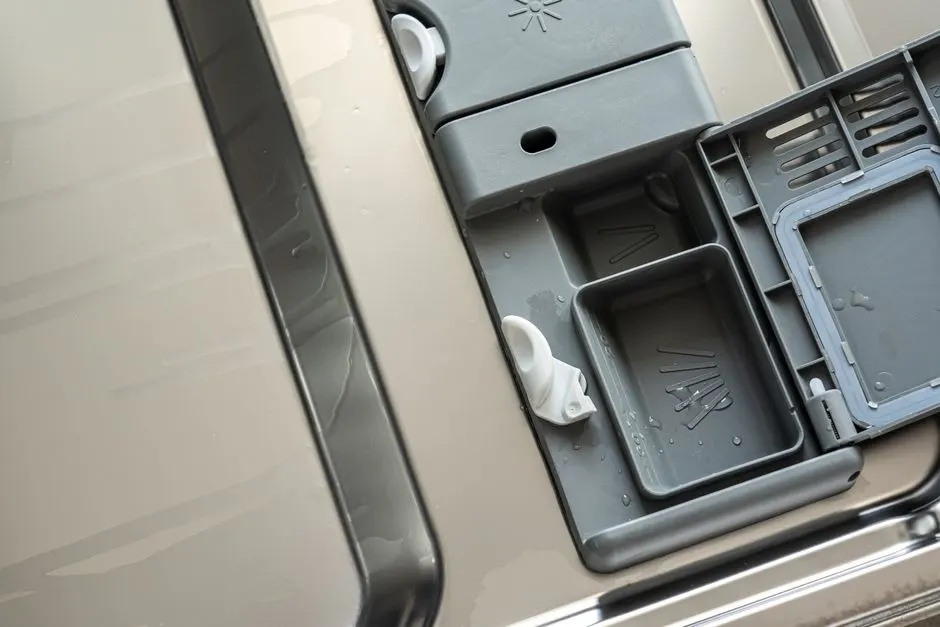
We inspect the inlet hoses, water inlet valve, drain hose, filter access, and pump operation when a washer will not fill or drain. We check connections for restriction and leakage, then test water movement through the relevant cycle. This helps catch a hose issue as well as a failed component.

Door And Seal Repair

We inspect door alignment, latch engagement, and the rubber door gasket for tears, residue, or trapped items. When repair or replacement is needed, we confirm the door locks and the seal holds during a test. Proper closure protects against leaks and prevents the washer from refusing to start.

Spin And Vibration Testing

We check cabinet leveling and the suspension system when the washer shakes, bangs, or stops before spin. A controlled test helps identify an unbalanced load issue versus worn suspension parts or a drive fault. You receive a clear explanation of the correction and what the machine should do afterward.

Post-Repair Verification

After completing the repair, we restore normal connections and run the affected function. We confirm the washer fills, drains, locks, or spins as required and inspect for leaks. You see the result before we leave, along with care instructions suited to the fault we corrected.

Front-Load Washer Repair in Washington


Front-Load Washer Repair in Washington is an appliance service that diagnoses and fixes mechanical, electrical, and water-flow faults in front-loading washers. We inspect the door lock, rubber door gasket, inlet hoses, drain path, pump, drive system, and controls rather than swapping parts by guesswork. A washer diagnostic interface and digital multimeter help us verify error codes and electrical readings; a test cycle confirms the repair. The goal is straightforward: restore safe filling, draining, tumbling, and spinning while protecting your laundry room from repeat leaks.

Washington homes see different washer problems across the state. Winter dampness can make gasket mildew and musty odor more noticeable, while busy households put extra strain on a drain pump and door latch. In apartments, a leaking hose can affect a shared wall or floor below; in rural homes, a washer failing to fill can interrupt a full week of laundry. Our Washington front-load washer repair addresses the cause, including repair for a front-load washer that will not drain in Washington.

What Happens During Service

Front-Load Washer Repair in Washington follows a practical sequence: identify the symptom, test the likely failure points, make the approved repair, and verify safe operation. We protect the work area, account for water in the drum, and explain what you will see at each stage. Many common repairs take 1 to 3 hours once diagnosis is complete; complex control or bearing work takes longer.

01

Schedule

Call or book online — a real human picks up and confirms a 2-hour arrival window.

02

Diagnose

Licensed tech inspects on-site, then walks you through the cause and your options.

03

Fix

The job is completed to code and done right the first time — no shortcuts, no surprises.

04

Guarantee

Every job backed by a written workmanship warranty — and we stand behind it.

Tools And Repair Methods

Tools & Equipment

Digital multimeter

We use a digital multimeter to check continuity, resistance, and voltage at relevant washer components. These readings help distinguish an open circuit or failed switch from a control or wiring issue.

Washer diagnostic interface

A washer diagnostic interface retrieves model-specific fault information and supports functional checks. We compare the reported code with the washer's behavior instead of treating a code as a complete diagnosis.

Clamp meter

A clamp meter measures current draw without disconnecting a conductor during appropriate tests. It can help assess motor or pump behavior when a cycle stalls or a component appears to be under strain.

Torpedo level

We use a torpedo level to check cabinet alignment when a washer vibrates or walks during spin. Correct leveling reduces avoidable movement and helps reveal whether a mechanical suspension fault remains.

Inspection flashlight

An inspection flashlight helps us see gasket folds, hose connections, pump access areas, and concealed moisture inside a tight laundry closet. Better visibility means a more accurate leak trace.

Methods & Standards

Symptom-to-component diagnosis

We start with the reported cycle stage and confirm what the machine does before selecting a test. A washer that will not spin may have a door-lock, drainage, or drive issue. Checking the linked systems narrows the fault and helps prevent unnecessary part replacement.

Water-path leak tracing

We inspect the supply, dispenser, door seal, tub connections, and drain route in a logical order, then observe the washer during a controlled test. The first visible drip is not always the source because water can travel along a panel. We trace it to the failing seal or connection.

Model-specific service procedure

We use manufacturer-specific appliance service information to locate access points, test modes, and component checks for the washer model. That keeps disassembly controlled and helps protect wiring, clips, and seals. We verify the repair with the same operating function that exposed the fault.

Safety and compliance checks

We isolate power and water before opening the machine and follow OSHA workplace safety training during handling and testing. Where electrical or plumbing contracting work is performed, Washington State contractor licensing requirements apply. We do not claim refrigerant work for standard washer repairs.

When To Call For Service

01

Your front-loader stops with water inside and the door remains locked after a completed cycle.

What we do: We safely remove standing water as needed, inspect the filter and drain route, and test the pump. We also check whether a control or door-lock fault is preventing the machine from completing its sequence. Once the cause is found, we repair the affected part and run a drain test.

→ You regain access to the laundry and know whether the issue was an obstruction, failed pump, or control problem rather than a temporary reset.

02

A damp patch appears below the washer after a load, but the source is not obvious.

What we do: We trace the leak while checking the door gasket, inlet connections, dispenser area, and drain hose. The technician dries the accessible area, runs the relevant part of a cycle, and watches for fresh water. We repair the source and verify the connection under operating conditions.

→ The leak is addressed at its source, reducing the chance of repeat moisture damaging flooring, cabinets, or a room below.

03

The washer vibrates more than usual after moving, installation, or a change in laundry load.

What we do: We check whether the cabinet is level and whether the load is balanced, then inspect suspension parts if vibration persists. The technician runs a controlled spin and observes the drum and cabinet. If a component has failed, we explain the part and repair before retesting.

→ You get a quieter, steadier spin and a clear distinction between a setup correction and a part that needs replacement.

04

A washer displays an error code and stops filling, spinning, or unlocking at the same point.

What we do: We record the code, reproduce the fault where safe, and test the related system rather than replacing a part based on the display alone. Electrical readings and component behavior guide the diagnosis. We then repair the confirmed failure and check the affected stage of the cycle.

→ The machine is evaluated against the actual symptom, helping avoid repeat shutdowns and unnecessary parts replacement.

How Service Works Across Washington

Front-Load Washer Repair in Washington has to account for different homes, laundry layouts, and weather across the state. In western communities, November rain and cool, damp laundry rooms can make gasket residue and musty odor more noticeable; keeping the door ajar after use helps the seal dry. Inland areas experience colder winter conditions, so we check exposed supply connections and confirm that water reaches the washer normally. Older homes may have tight closets, narrow access, or a drain arrangement that affects testing, while newer apartments can place a leak above finished living space. Our front-load washer service Washington starts by identifying the building setup and the washer model, then we protect the surrounding floor and test the actual fault. For front-load washer door and gasket repair in Washington, we check the seal, latch, and cabinet alignment rather than replacing the gasket automatically. If work involves a regulated electrical or plumbing contracting task, the applicable Washington State licensing rules govern that work. We finish by checking the repaired function and looking for leaks at the connections we disturbed.

Neighborhoods We Serve

  • Mercer Island

    Closet and upper-floor laundry rooms make early leak checks important. We protect nearby flooring, inspect the drain route, and verify the washer through a controlled test.

  • Cottage Lake

    Homes with varied laundry-room layouts can have limited access around the washer. We check hose routing and cabinet level before deciding whether vibration comes from setup or worn parts.

  • Gig Harbor

    A damp laundry space can make gasket odor and residue more noticeable. We inspect the door seal and explain simple drying and cleaning habits after repair.

  • West Richland

    Inland winter conditions make normal water supply and hose connections worth checking when a washer will not fill. We verify flow before diagnosing an internal valve fault.

Local Conditions We Plan For

  • Cool, damp laundry rooms encourage moisture to linger in door seals.

    A closed door traps humidity around the rubber gasket, allowing residue and odor to build up. We inspect the seal for mildew and damage during relevant repairs, then show you how to leave it open for drying without obstructing the laundry area.

  • Older homes and compact closets can restrict washer access.

    Tight clearances affect how panels are opened and how hoses can be inspected. We plan the diagnostic around available access and protect adjacent finishes, while checking whether a kinked line or cramped connection is contributing to the fault.

  • Winter freezes can affect exposed supply lines in colder inland areas.

    A washer that suddenly fails to fill may have a restricted supply rather than an internal valve failure. We check water flow and visible connections first, then test the inlet valve if supply reaches the machine.

Drain Pump Blockage Cleared

Before

A front-loader stopped with water covering the bottom of the drum, and the door would not unlock. The customer had restarted the cycle twice, but each attempt ended at the same point. Laundry remained wet, and a sour smell was beginning to develop.

After

We checked the filter path and drain pump, removed the obstruction, and ran a drain-and-spin test. The tub emptied in about 2 minutes, the door released after the cycle, and no water appeared around the hose or pump access area during the final check.

Maintenance: Check the accessible filter on the schedule in your washer manual and remove lint or small objects. Empty pockets before loading, and call if the machine repeatedly leaves more than a thin film of water in the drum.

Before

Water appeared below the washer after each load, especially during high-spin cycles. The gasket had residue tucked into a fold, and the door edge showed signs of moisture. The washer still ran, so the leak had been easy to dismiss as a small spill.

After

We cleaned and inspected the seal, corrected the door closure issue, and ran a short wash test. The lower door edge stayed dry through the test, and the floor remained clear of fresh water. We also showed the customer where the gasket fold needs routine attention.

Maintenance: Wipe the door seal after wet loads and leave the door slightly open between cycles so the gasket can dry. Use the detergent amount specified for the load; excess suds can leave residue around the seal.

Before

The washer shook hard enough to shift forward during spin, and the cabinet tapped the closet trim. The customer had tried smaller loads without improvement. The machine had recently been moved, making both setup and suspension worth checking.

After

We checked cabinet level and suspension, corrected the washer's position, and ran a spin test with a balanced load. The machine stayed in place through the test and the repeated cabinet tapping stopped. We explained the difference between load balance and a persistent mechanical fault.

Maintenance: Keep the washer level and avoid packing the drum tightly with heavy items. If vibration returns with balanced loads, stop the cycle and arrange a check before continued movement strains hoses or surrounding finishes.

Fix Front-Load Washer Problems Early

A small washer fault can become a soaked floor, a locked load, or a cycle that never finishes. Front-load washer repair in Washington targets the underlying component and checks the machine's operation afterward. Call when you notice a new leak, persistent error, unusual spin noise, or water left in the drum.

Problem

Water remains in the drum after the cycle ends.

Standing water can leave clothes sour, prevent the door from unlocking, and expose the pump to repeated strain if you restart the cycle.

Our Fix

We inspect the filter path, drain hose, and pump, then test whether the motor runs and water moves freely. For a blocked passage, we clear the obstruction; for a failed component, we explain the replacement. We finish with a drain-and-spin test so you can confirm the tub empties.

Problem

Water leaks from the door during a wash.

Repeated drips can swell nearby flooring, damage trim, and create a slippery laundry area, even if each leak looks small.

Our Fix

We inspect the gasket for cuts, folds, detergent buildup, or trapped fabric and check whether the door closes evenly. We correct alignment or replace a damaged seal when needed, then run a water test and inspect the lower edge of the door for fresh drips.

Problem

The washer shakes hard or bangs during spin.

Continued vibration can move the cabinet, strain hoses, and make normal laundry cycles disruptive, especially in a closet or upper-floor laundry room.

Our Fix

We check load balance, cabinet leveling, and suspension components before recommending repair. The technician watches the washer through a spin test and isolates whether setup, suspension rods, shock absorbers, or another part is responsible. We correct the confirmed issue and check that the cabinet remains stable.

Problem

The front door stays locked or will not latch.

A failed interlock can stop the washer from starting or leave wet laundry trapped inside, while forcing the door can damage the latch or seal.

Our Fix

We test the latch, strike, wiring, and control response to identify why the interlock is not engaging. We repair or replace the failed component, then confirm that the door locks before the cycle and releases at the proper point. Do not bypass the safety lock.

Practical Repairs, Clear Results

Practical Repairs, Clear Results

A front-load washer should clean efficiently without leaving standing water, a wet floor, or a drum that refuses to turn. We focus on the failed component and verify the result under load. You get clear findings, upfront pricing before repair, and a working test cycle instead of a quick reset that leaves the same fault waiting for the next wash.

  • Drainage Restored

    If water remains in the drum after a cycle, we inspect the filter path, drain hose, and drain pump for obstruction or failure. Clearing a blockage or replacing a failed pump can bring a stalled cycle back to normal. We run a drain-and-spin test and check that water exits without backing up or leaking.

  • Dry, Sealed Laundry Area

    Water leaking from the door gasket can soak flooring and damage nearby cabinets. We inspect the seal for tears, residue, trapped fabric, and poor door alignment, then repair or replace the affected part. Our front-load washer service Washington includes a leak check during operation so you can see whether the door seals under wash conditions.

  • Balanced Spin Cycle

    Excessive vibration often comes from an uneven load, an unlevel cabinet, worn suspension rods, or failing shock absorbers. We check the machine's level and suspension before recommending parts. A controlled spin test helps distinguish a simple setup issue from a component fault, reducing banging and protecting the washer from repeated movement.

  • Better Fault Diagnosis

    A flashing code does not identify every failed part by itself. We compare the code with sensor readings, wiring checks, and the washer's behavior through a cycle. That approach helps separate a door-lock failure from a control fault and avoids replacing a working component. You receive a plain explanation of what failed and why.

Training And Safe Work

Licensed & Certified

  • OSHA workplace safety training — issued by Occupational Safety and Health Administration training providers
  • Manufacturer-specific appliance service training — issued by Appliance manufacturers and authorized training programs
  • Washington State electrical contractor licensing, when electrical contracting work is performed — issued by Washington State Department of Labor & Industries
  • Washington State plumbing contractor licensing, when plumbing contracting work is performed — issued by Washington State Department of Labor & Industries

Verified Reviews

Customer feedback Not stated

A customer in Spokane reported that a washer stopped draining mid-cycle. The technician inspected the filter and pump, cleared the obstruction, and ran a drain test before leaving. The review highlighted the clear explanation and the fact that the machine emptied normally afterward.

Customer feedback Not stated

A Puyallup homeowner described a door gasket leak that had left water on the laundry-room floor. The repair included inspection of the seal and a test cycle to check for fresh drips. The customer appreciated seeing the washer run without leaking.

Customer feedback Not stated

A Mill Creek resident reported heavy vibration during spin. The technician checked both leveling and suspension, corrected the setup, and watched a spin test. The washer stayed in place, and the customer received practical guidance on identifying a recurring mechanical problem.

Front-Load Service Expertise

Front-load machines combine water controls, door interlocks, electronic boards, pumps, and suspension systems in a compact cabinet. Our local experience covers diagnosing those systems across common residential models, including Whirlpool, Maytag, GE Appliances, LG, and Samsung. We follow manufacturer-specific appliance service training and use model information to check the correct test points and replacement procedure. For any work that crosses into regulated electrical or plumbing contracting, the appropriate Washington State contractor licensing applies. EPA Section 608 certification is relevant only when a repair involves regulated refrigerants, which ordinary washer repairs do not.

  • Manufacturer-specific appliance service training supports model-appropriate diagnostics and component replacement.
  • OSHA workplace safety training informs safe lifting, electrical isolation, and water-control practices during service.
  • We use UL appliance safety standards as a reference when assessing safe operation and component condition.
  • ENERGY STAR efficiency specifications help guide practical advice when repair is weighed against replacement.
  • We test door locks, pumps, fill valves, and spin behavior instead of relying on a code alone.
Get Started Today
Front-Load Service Expertise

Cities We Serve Across Washington

Our statewide routes bring front-load service to communities with different housing layouts, travel needs, and laundry-room conditions. We serve large cities and smaller local centers, scheduling repairs around the reported fault and the equipment involved. Washington front-load washer repair is available across the cities listed here, with diagnosis and cycle testing included in the service approach.

Spokane

We diagnose drainage, door-lock, and spin problems in Spokane homes, checking winter-sensitive supply connections when a washer will not fill.

Bellingham

In Bellingham, we inspect front-load seals and drainage paths when damp laundry spaces contribute to persistent gasket odor or a washer that will not empty.

Longview

Longview service includes tracing leaks at the door, inlet, and drain connections, followed by a cycle check to confirm the source has been corrected.

Puyallup

For Puyallup households, we address vibration, pump faults, and door-seal leaks, testing the washer under the cycle that exposed the problem.

Des Moines

We handle Des Moines front-load faults in compact laundry areas, taking care to inspect hose routing and protect nearby floors during leak diagnosis.

Mercer Island

In Mercer Island homes, we check upper-floor and closet installations for leaks, secure connections, and verify drainage before completing the visit.

Cottage Lake

Cottage Lake appointments include model-specific checks for filling, draining, and spin vibration, with attention to limited access around laundry equipment.

Mill Creek

We diagnose Mill Creek washer codes and mechanical symptoms, then run the relevant fill, lock, drain, or spin test after repair.

West Richland

In West Richland, we check water supply and inlet connections when a washer fails to fill, then test the valve if water reaches the machine.

Fort Lewis

Our Fort Lewis service addresses residential front-load leaks and cycle interruptions, confirming that the machine locks, drains, and operates correctly after repair.

Lakeland South

We help Lakeland South households with persistent drainage and spin faults, testing the pump path and cabinet stability rather than relying on a reset.

Gig Harbor

Gig Harbor visits often include close inspection of gasket condition and hose connections, with a running test to confirm the laundry area stays dry.

Felida

For Felida customers, we identify whether a door-lock error, drain obstruction, or control fault is stopping the cycle and verify the correction.

Burlington

We service Burlington front-load washers with checks for fill problems, leaks, and pump failure, using the washer's model and symptoms to guide testing.

Summit

Summit service covers common front-load faults, including vibration and water left in the drum, with a functional cycle check after the repair.

Front-Load Washer Repair Questions

Real answers to the questions we hear most often from local homeowners and property managers.

How much does front-load washer repair cost in Washington?
Most front-load washer repairs cost $180-$450 in 2026, while major control or bearing work can reach $600-$900. The final price depends on diagnosis time, part availability, model access, and whether the fault involves one component or several. We identify the failure and give you upfront pricing before repair. A clogged filter or loose hose is usually less involved than a failed pump, door lock, or electronic control.
Who repairs front-loading washing machines in Washington?
Washington Washer Repair handles residential front-loading washing machine repair across Washington. Our technicians diagnose common brands and faults, including failure to drain, door-lock problems, leaks, and excessive spin vibration. We test the machine, explain the failed component, and verify operation after repair. When booking, provide the make, model, error code, and a short description of the symptom so we can prepare for the visit.
Can a Washington technician fix a front-load washer door that will not lock?
Yes; a technician can diagnose and repair a front-load door that will not lock, often within 1 to 2 hours if the fault is accessible and the part is available. We inspect the latch, strike, wiring, and control response before replacing anything. Do not force the door or bypass the interlock; the lock is a safety feature that prevents operation with an unsecured door.
How do I book front-load washer service in Washington?
Call +18665940052 to book service, and have your washer's brand, model number, and symptoms ready. Tell us whether water is on the floor, the drum is holding water, or an error code is displayed. We use those details to plan the diagnostic visit and discuss the appointment window. If the washer is leaking, turn off its water supply and avoid running another cycle.

Related Washer Services

Washer Repair

For faults that are not limited to a front-load design, broader washer service covers fill, spin, control, and water-flow problems. We still begin with symptom testing and confirm the cycle after repair, so your service is matched to the machine rather than assumed from its style.

View Washer Repair

Top-Load Washer Repair

A top-load washer has different lid-lock, suspension, and drive-system checks than a front-loader. If your home has both types or you are comparing symptoms, we inspect the correct design and test the lid interlock, fill, agitation, and spin functions.

View Top-Load Washer Repair

High-Efficiency Washer Repair

High-efficiency models rely on low-water cycles, sensors, and appropriate detergent use. We diagnose cycle interruptions, drainage trouble, and vibration while checking that the machine's controls and water handling work as intended. This service complements front-load repair for efficient residential machines.

View High-Efficiency Washer Repair

Washer Installation

Correct installation helps prevent vibration, hose leaks, and drainage problems that can appear soon after a new washer is connected. We check the supply and drain connections, level the cabinet, and verify a test fill and drain. That setup can prevent avoidable service calls.

View Washer Installation

Washer Replacement

When a washer has repeated major failures or a repair approaches the cost of replacement, we help you compare the practical options. We consider the failed parts, machine condition, and repair price, then can remove or install equipment as arranged for your household.

View Washer Replacement

Washer Maintenance and Tune-Up

Routine care can reduce odor, residue, and avoidable strain on a front-load washer. A tune-up checks the door seal, accessible filter area, hoses, leveling, and cycle behavior. We also explain how to use detergent and washer-cleaning tablets without leaving buildup.

View Washer Maintenance and Tune-Up

Book Front-Load Washer Repair in Washington

A washer that will not drain or seal can leave water and laundry stranded. Call our team at +18665940052 to arrange service and describe the fault; we will help you take the next practical step.

Call Today Book Service

Contact Our Team

Call +18665940052 to arrange washer or dryer service anywhere in Washington. Share your location, appliance brand, and the problem you are seeing; our team will help coordinate the next available service window. Phone support is available daily from 8:00 a.m. to 6:00 p.m., and you can email details or photos to info@washingtonwasherrepair.com.

Or call us right now at +18665940052 — we answer.

Washington Washer Repair


  • Phone

    +18665940052
  • Address

    Washington

  • Hours

    Mon–Fri: 7AM – 7PM
    Sat: 8AM – 4PM
    Sun: Emergency Only
    24/7 Emergency Available

Call +18665940052 Get Quote
Call Quote