Logo
Get Estimate

Washer Repair in Washington That Gets Laundry Moving

Practical repairs for homes across Washington


Washer Repair in Washington helps homeowners get through leaks, drainage failures, spin problems, and machines that will not start. Our team handles front-load, top-load, and high-efficiency models, then tests the repair through a complete cycle. We provide Washington Washer Repair for households across the state, from busy urban laundry rooms to rural homes where a dependable washer matters every week.

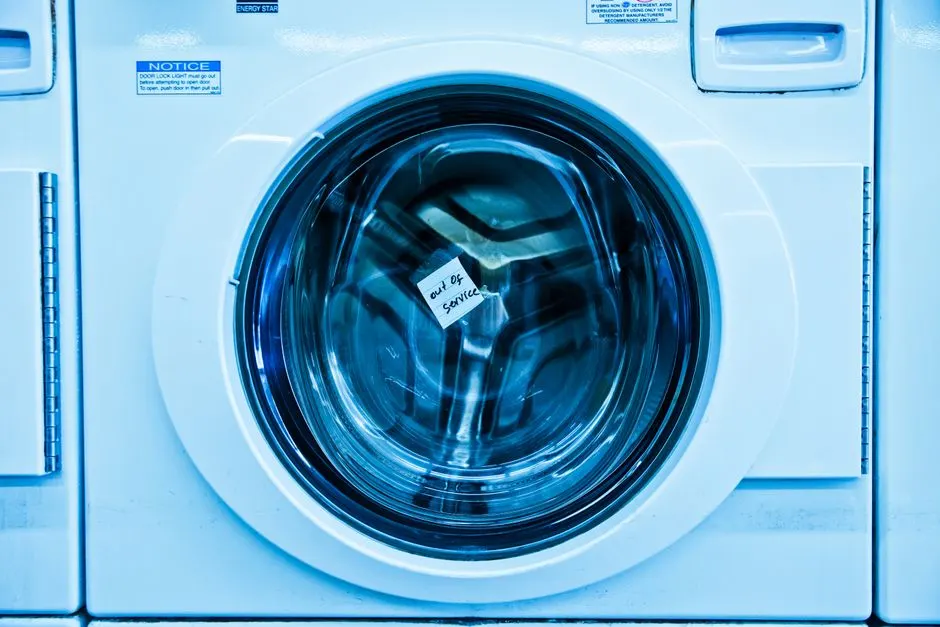
Close-up of an out-of-service washing machine in a laundromat with a blue tint.
Licensed Licensed & Bonded
Fully Insured Insured & Bonded
24/7 Emergency Same-Day Response
Warranty Backed Workmanship Guaranteed

What Washer Repair Covers

A washer repair visit covers symptom review, inspection, testing, an approved repair, and a function check. We focus on the appliance fault and related accessible connections. Parts, extensive plumbing or electrical contracting, and replacement installation are handled according to the work needed and applicable licensing requirements. We explain the repair price before proceeding, then confirm what was tested when the work is complete.

Symptom and Cycle Review

We note when the failure occurs, whether the washer is full or empty, and any displayed code. That information directs inspection toward filling, washing, draining, or spinning. If the issue is intermittent, we ask what changes between successful and failed loads and try to reproduce the behavior.
Component and Connection Checks

We inspect the parts tied to the reported fault, including accessible hoses, locks, pumps, and drive components. For a leak, we trace water rather than replacing a seal based only on a puddle. For a no-drain issue, we check the path and pump operation before deciding on a repair.

Approved Repair Work

After explaining the diagnosis and price, we complete the agreed repair using a compatible part or correction. We secure panels and connections, remove any water displaced during access, and keep the immediate work area orderly. If the result points to a separate fault, we explain it before additional work.

Post-Repair Testing

We operate the washer through the part of the cycle affected by the fault and check for leaks, abnormal sound, and recurring codes. A spin repair gets a spin check; a fill repair gets a controlled fill check. We tell you what passed and note any care steps relevant to the machine.

Washer Repair in Washington: What We Fix


Washer Repair in Washington is a home appliance service that diagnoses and corrects mechanical, water-flow, electrical, and control problems that prevent a washing machine from operating safely. We inspect the reported symptom, check the cycle sequence, and test the relevant components before replacing parts. Common calls include a washer not draining, a water inlet valve that fails to fill the tub, excessive vibration, and a door that will not lock. We explain the fault in plain language and test the machine after the repair.

Washington homes present different repair conditions: winter cold can affect laundry spaces in garages or outbuildings, while frequent damp weather makes door-gasket mildew and musty odors more noticeable. In older homes, tight utility closets can limit access to hoses and service panels; newer homes often have high-efficiency machines with model-specific fault codes. Our washing machine repair in Washington starts with the actual machine and symptom, not a guessed part. For a washer that stops mid-cycle, same-day Washer Repair in Washington is a useful option when scheduling and parts allow.

What to Expect During Service

Washer Repair in Washington follows a practical sequence: symptom review, inspection, diagnosis, repair, and a run test. We keep you informed as we work and avoid replacing parts until the test results point to a cause. Many common repairs take about 1 to 3 hours on site; unusual faults or parts needs can extend that time.

01

Schedule

Call or book online — a real human picks up and confirms a 2-hour arrival window.

02

Diagnose

Licensed tech inspects on-site, then walks you through the cause and your options.

03

Fix

The job is completed to code and done right the first time — no shortcuts, no surprises.

04

Guarantee

Every job backed by a written workmanship warranty — and we stand behind it.

Tools and Repair Methods

Tools & Equipment

Digital multimeter

We use a digital multimeter to check electrical continuity and voltage at relevant components when symptoms point to a power, switch, or control issue. Testing helps distinguish an open circuit from a mechanical fault.

Clamp meter

A clamp meter lets us assess current draw without disconnecting a conductor. We use readings alongside the machine's behavior to investigate certain motor or electrical symptoms, following safe access procedures.

Washer diagnostic interface

The washer diagnostic interface reads model-specific fault information and supports service checks. We compare its findings with the reported symptom because a stored code is a clue, not automatic proof that one part failed.

Nut drivers and socket set

These tools provide controlled access to panels and fasteners during inspection and repair. We use the correct fit to reduce the chance of damaging screw heads or leaving a panel loose after reassembly.

Wet/dry vacuum

A wet/dry vacuum helps control residual water during a drainage repair or leak inspection. We use it to reduce spills around the work area before testing the washer's drain function.

Methods & Standards

Symptom-led cycle diagnosis

We map the failure to the cycle stage: fill, wash, drain, or spin. Then we test the components involved in that stage and compare readings with what the washer is doing. This method keeps diagnosis tied to evidence and helps avoid replacing parts simply because an error code appeared.

Leak-source tracing

We inspect the washer and accessible connections while reproducing the conditions that create the leak. The point where water appears is not always the point where it starts, so we follow the water path and check seals, hoses, and connections. We finish with an operating test and a dry-area check.

Level and vibration verification

We check the appliance's level and observe its movement during spin before deciding whether a suspension component needs attention. A torpedo level helps identify an uneven setup. We also consider the load and surrounding clearance, then verify that the washer remains stable through the test.

Safety and standards review

We use safe appliance service practices and observe UL appliance safety standards where applicable. Electrical or plumbing contracting work is handled in line with Washington State licensing requirements. EPA Section 608 certification is relevant only when a technician handles regulated refrigerants, not for ordinary washer repairs.

When to Call for Washer Repair

01

Your washer stops with a full tub, and the display shows a drain or cycle fault.

What we do: We inspect drainage, check for an accessible obstruction, and test pump operation before recommending parts. If water is standing in the drum, we plan the work to control spillage and protect the nearby floor. We then verify that the washer empties and advances through the affected cycle.

→ You get a clear cause and a tested drainage result, so wet laundry does not remain trapped while you guess at resets.

02

A winter cold snap leaves a washer in a garage or unheated utility space behaving differently.

What we do: We inspect the water supply and hoses along with the machine's fill behavior, taking the room conditions into account. We test the inlet function and check for visible hose damage or restricted flow. If a line is frozen, we address safe next steps rather than forcing the washer through repeated cycles.

→ You learn whether the fault is the washer or its water supply and avoid running repeated fill attempts against a restricted line.

03

Your front-load washer develops a musty odor and moisture around the door after each wash.

What we do: We inspect the door gasket, drain behavior, and signs of retained water or residue. If a component fault is contributing to the moisture, we diagnose and repair it; we also show you how to leave the door open and clean the gasket. A washer-cleaning tablet can be used according to the manufacturer's directions.

→ You address the source of persistent moisture and have a straightforward routine for reducing odor between laundry days.

04

A washer in a rental or shared laundry area leaks, locks users out, or stops mid-cycle.

What we do: We check the reported appliance and the accessible connections, then test the specific fault without disturbing unrelated equipment. We identify the machine by its model label and explain whether the repair is a component issue or an installation concern. The affected washer is tested before being returned to normal use.

→ You get a documented explanation of the failure and a functioning machine, helping reduce disruption for the household or building users.

How Washer Repair Works Across Washington

Washington's climate and housing mix shape how we approach Washer Repair in Washington. In the western part of the state, long damp seasons can leave laundry rooms cool and humid; door gaskets and detergent residue deserve close attention when a front-loader develops odor. In eastern communities, colder winter nights can affect washers installed in garages or outbuildings, so we check supply conditions as well as the appliance. Older homes may have narrow closets, raised thresholds, or limited space behind the washer, while newer homes can use stacked units and high-efficiency controls. Our Washington washing machine service starts by confirming access, model, and symptoms before tools come out. When a machine is actively leaking, we prioritize tracing the water source and containing it; for a washer not spinning, we check drainage and balance before opening the drive system. We adapt the work to the home, protect the surrounding floor, and test the relevant cycle before leaving. For homeowners seeking a washer appliance technician for home repairs in Washington, clear model and symptom details help us prepare for a useful visit.

Neighborhoods We Serve

  • Seattle

    Compact laundry closets and stacked appliances can limit access. We check the service clearance and plan hose handling before pulling a washer forward.

  • Redmond

    High-efficiency front-load models are common in newer laundry layouts. We use model-specific diagnostics and confirm the door-lock and drain sequence after repair.

  • Walla Walla

    Colder winter conditions can matter for washers in garages or utility rooms. We inspect supply flow and hoses when a fill fault appears after a cold period.

  • Bothell

    Laundry areas may be tucked into upstairs closets or utility rooms. We protect nearby flooring and check for hose strain where appliance movement is restricted.

Local Conditions We Plan For

  • Damp weather encourages residue and mildew around front-load gaskets.

    A musty smell can come from retained moisture, residue, or a drainage issue. We inspect the gasket and operating behavior, then distinguish a cleaning need from a mechanical fault before recommending a repair.

  • Winter cold affects washers installed in garages and outbuildings.

    Restricted water flow or a damaged hose can resemble a washer fill failure. We check the supply and hose condition alongside the inlet function, and advise against repeated cycles when water is not entering normally.

  • Tight utility closets complicate appliance access and leak checks.

    Limited clearance can hide a hose kink or make it difficult to observe a connection during a test. We plan controlled access, protect the floor, and confirm the washer is returned level after service.

Drain Fault Cleared and Tested

Before

A front-load washer stopped with water covering the bottom of the drum. Clothes remained soaked, and restarting the cycle produced the same drain error. The homeowner had already checked the visible drain hose but could not see whether the pump or an internal passage was blocked.

After

We inspected the drainage path, identified an obstruction, and cleared it without replacing a functioning pump. A test cycle drained the tub in about 3 minutes and completed the spin stage. We checked for leaks around the connections and confirmed the error did not return during the test.

Maintenance: Clean the accessible filter on the schedule in the owner manual and check pockets for coins or lint-heavy items. If standing water returns, stop repeated resets and note whether the pump makes a sound.

Before

Water appeared behind a top-load washer after the fill portion of each cycle. The visible floor puddle was small, but it returned every wash day and had begun to reach the edge of nearby storage. The source was not clear from the front of the machine.

After

We traced the moisture to an inlet hose connection, corrected the connection, and checked the hose condition. During a controlled fill and rinse test, the connection stayed dry and the washer completed the cycle. The floor and nearby baseboard were dry when the inspection ended.

Maintenance: Look behind the washer periodically for dampness, bulging, or cracking on accessible hoses. Avoid pulling the appliance by its hoses, and shut off supply valves if an active leak returns.

Before

A washer shook heavily during high-speed spin and shifted several inches from its original position. The household had reduced load size, but the machine still rattled against a nearby cabinet and left clothes wetter than expected at the end of the cycle.

After

We checked leveling, load behavior, and suspension movement, then corrected the identified setup issue. The washer stayed in place through a test spin and completed the cycle without striking the cabinet. We also checked that hose slack remained adequate after returning the unit to position.

Maintenance: Keep loads balanced and leave clearance around the cabinet so normal movement does not cause contact. If vibration returns with an empty test load, stop using high-speed spin and arrange an inspection.

Fix the Fault Before It Spreads

A small washer fault can become a soaked floor, damaged laundry, or a machine that will not complete a cycle. We trace the problem to its source and make the repair that restores the affected function. If you need to know how to book a washing machine repair visit in Washington, call with your city and the machine's symptoms.

Problem

The washer leaves standing water after the cycle ends.

Water trapped in the drum can sour clothing, delay laundry, and expose the pump or drain system to repeat strain if you keep restarting the cycle.

Our Fix

We check the drain path for an obstruction and test the drain pump for operation. If a hose is kinked or a pump has failed, we explain the cause and repair option. Afterward, we run a drain test and verify that the tub empties rather than simply clearing the displayed fault.

Problem

Water appears under the washer during filling or washing.

Repeated leaks can damage flooring and nearby cabinets, while an ongoing supply leak can spread even when the laundry cycle is paused.

Our Fix

We identify whether water is coming from an inlet connection, drain hose, door gasket, or another accessible part of the washer. We correct the source, then watch the machine during a controlled test. If water is actively flowing before service, shut off the supply valves and avoid another cycle.

Problem

The washer fills but will not spin clothes dry.

Wet, heavy laundry takes longer to dry and can signal a lock, drainage, balance, or drive fault that will recur on the next load.

Our Fix

We check the load behavior, door or lid lock, drainage, and drive system according to the model and symptoms. Once the cause is identified, we repair the affected part and run a spin test. You will know whether the washer completes the cycle and what loading practice can prevent repeat imbalance.

Problem

The washer vibrates loudly or walks across the floor.

Excessive movement can pull on hoses, strike nearby walls, and make each spin cycle disruptive, especially in a narrow laundry closet.

Our Fix

We check the washer's level, load distribution, and suspension behavior before attributing vibration to a major failure. If a component is worn, we explain the repair; if setup is the cause, we correct the level and test the spin. We also check nearby hose slack so movement does not strain connections.

Get Laundry Back on Schedule

Get Laundry Back on Schedule

A broken washer can leave water on the floor, a full tub of wet clothes, or a growing pile of laundry. We focus on finding the cause, making the repair that addresses it, and checking operation before we wrap up. You get clear information about the fault and the next practical step.

  • Find the Fault First

    We check symptoms against the washer's cycle behavior instead of swapping parts by guesswork. A digital multimeter and washer diagnostic interface help us distinguish a failed drain pump from a wiring or control fault. That matters when your machine stops with water inside: the right diagnosis avoids paying for a component that was still working.

  • Protect Floors and Cabinets

    A leaking inlet hose or damaged rubber door gasket can soak flooring before a cycle finishes. We trace the water to its source, inspect nearby connections, and run a controlled test after the repair. If you notice a puddle, stop the cycle and shut off the supply valves while you arrange service.

  • Restore a Full Cycle

    A washer that fills but will not spin leaves clothes heavy and dripping. We check load balance, lid or door locking, drainage, and drive components before testing the final spin. You see whether the repair restored the full sequence rather than just clearing an error message.

  • Plan the Repair Cost

    We explain the fault and the repair price before work proceeds, so you can compare repair with replacement using the machine's age, condition, and part availability. Washington washing machine service should leave you knowing what failed, what was changed, and what to watch for during the next few loads.

Training and Safe Work

Licensed & Certified

  • Manufacturer-specific appliance service training — issued by Appliance manufacturers
  • OSHA workplace safety training — issued by Occupational Safety and Health Administration
  • EPA Section 608 certification, when regulated refrigerant handling applies — issued by United States Environmental Protection Agency
  • Washington State electrical contractor licensing, when electrical contracting work is performed — issued by Washington State Department of Labor & Industries

Verified Reviews

Customer feedback Not stated

A homeowner in Seattle reported that the technician traced a washer leak to its source, corrected the connection, and ran a test cycle before leaving. The practical detail that stood out was the dry floor after testing, not a generic promise.

Customer feedback Not stated

A customer in Kent described a washer that would not drain. The technician checked the drain path, explained the obstruction, and verified that water emptied during the test. The customer appreciated knowing why the machine had stopped rather than receiving only a reset.

Customer feedback Not stated

A Redmond homeowner said the washer's vibration was checked during spin instead of being dismissed as a load issue. After the correction, the unit stayed in place through the test cycle, and the technician explained how to recognize a repeat balance problem.

Appliance Knowledge That Shows

We service household washers across Washington and work with common designs from Whirlpool, Maytag, GE Appliances, LG, Samsung, Electrolux, Frigidaire, Bosch, Speed Queen, and Amana. Our technicians use manufacturer-specific appliance service training to interpret model differences rather than treating every washer alike. We follow OSHA workplace safety training practices while handling heavy appliances, electrical checks, and water connections. EPA Section 608 certification applies to technicians handling regulated refrigerants when applicable; ordinary washer repairs do not involve refrigerant work. We also respect Washington State electrical contractor licensing and Washington State plumbing contractor licensing requirements when work falls within those regulated trades.

  • We check the model label and fault behavior before selecting a part, reducing the risk of fitting an incompatible component.
  • We use a torpedo level to check installation balance when vibration points to an uneven washer or floor.
  • We inspect inlet hoses, drain hoses, and accessible connections before concluding that an internal component caused a leak.
  • We test the repaired function under operating conditions, not only by clearing a displayed error code.
  • We account for UL appliance safety standards and ENERGY STAR efficiency specifications when they apply to the repair or replacement decision.
Get Started Today
Appliance Knowledge That Shows

Cities We Serve Across Washington

We cover communities across Washington, planning service for city homes, suburban laundry rooms, and outlying properties. The repair approach stays grounded in the machine's model and the conditions at your home, whether the issue is a leak, a drain failure, or a washer that will not spin. Washington Washer Repair serves the following cities and nearby areas; share your symptoms and location when arranging a visit.

Seattle

We work with compact laundry closets and stacked units, protecting finished floors while checking access, hoses, and the washer's reported fault.

Kent

For Kent homes, we diagnose fill, drain, and spin issues on site, then test the affected cycle before returning the washer to service.

Redmond

We service high-efficiency and front-load machines, checking model-specific codes alongside drainage, door locks, and cycle behavior.

Bothell

Tight utility spaces call for careful appliance movement. We check clearance and hose condition, then verify level and operation after repair.

Walla Walla

When a washer in a garage or utility room has a fill problem, we inspect water supply conditions and the machine's inlet function together.

Frederickson

We diagnose common household washer faults in Frederickson, including leaks, no-drain symptoms, and vibration, with an operating test after the repair.

Martha Lake

Our visit accounts for laundry-room access and nearby flooring, especially when water appears behind a washer or a stacked unit needs inspection.

Arlington

We check the symptom against the washer's model and cycle stage, then verify that the repaired fill, drain, or spin function works.

Bryn Mawr-Skyway

For leaks and drainage faults, we trace water to its source and test the appliance under controlled operating conditions before leaving.

Lake Stickney

We inspect hoses, door seals, and accessible components when a washer leaks, then check the surrounding area during a test cycle.

Lake Forest Park

We adapt appliance access to the home's laundry layout, carefully moving the washer only as needed to inspect connections and complete testing.

East Renton Highlands

We troubleshoot washer vibration, incomplete cycles, and error codes by checking the related operation rather than replacing parts from symptoms alone.

Maltby

We handle household washer faults in Maltby and test the completed repair, including checking drainage and hose connections where relevant.

Terrace Heights

We diagnose fill and drain complaints at the appliance and its accessible water connections, then confirm the machine completes the affected cycle.

Othello

We assess the washer's model, fault, and site access before repairing common mechanical or water-flow problems and checking operation.

Washer Repair Questions, Answered

Real answers to the questions we hear most often from local homeowners and property managers.

How much does Washer Repair cost in Washington?
Many common washer repairs cost about $180 to $450 in 2026, while major assemblies can reach $850 or more. The final price depends on diagnosis, part cost, access, and whether the machine needs more than one component. We identify the fault and explain the price before work proceeds. A blocked drain path may take less work than a failed control assembly, so the symptom alone cannot set an exact price.
Can a washing machine repair technician come to my home in Washington?
Yes, our technicians perform in-home washing machine repair in Washington and test the machine where it is installed. We inspect access, water connections, power, and the reported problem, then explain the repair before starting approved work. Clear a path to the washer and remove laundry from the drum if possible. For a leak, shut off the supply valves and tell us whether water is still flowing.
What washer problems can a Washington repair service fix?
We diagnose common faults such as a washer not draining, not spinning, failing to fill, leaking, making excessive noise, or refusing to start. We also investigate door-lock failures, unbalanced loads, pump obstructions, and control faults. The repair depends on test results and the washer model. If the machine smells musty, we check the gasket and drainage conditions and explain cleaning steps as well as any component repair.
How soon can I get washing machine repair in Washington?
Same-day appointments may be available when the route and required parts allow; otherwise, we arrange the next suitable visit. The repair itself often takes 1 to 3 hours for a common fault, with more time needed for difficult access or a special-order part. Call +18665940052 with your city, model, and symptoms. We can use those details to guide scheduling and prepare for the visit.

More Washer Services

Front-Load Washer Repair

Front-load models need careful checks around the door lock, rubber door gasket, and drainage path. We investigate leaks, spin problems, and persistent odors, then test the door seal and cycle after repair. This focused service helps when a front-loader's fault differs from a standard top-load symptom.

View Front-Load Washer Repair

Top-Load Washer Repair

A top-load washer can stop spinning, fail to fill, or vibrate as the tub moves through its cycle. We check the lid lock, suspension, water flow, and drain function based on the reported fault. After repair, we run the affected operation and confirm the tub moves and drains correctly.

View Top-Load Washer Repair

High-Efficiency Washer Repair

High-efficiency washers use specific cycle logic and water levels, so a fault needs model-aware testing. We investigate error codes, incomplete rinses, drainage problems, and vibration without assuming the machine uses conventional cycle behavior. We also check that detergent use and loading are not contributing to repeat symptoms.

View High-Efficiency Washer Repair

Washer Installation

Correct installation helps prevent leaks, vibration, and drain problems from the first load. We position and level the washer, connect the inlet hoses and drain hose, and check that the unit operates without shifting. This service is useful after a move, remodel, or new appliance delivery.

View Washer Installation

Washer Replacement

When repeated failures or a costly assembly make repair impractical, we help you consider replacement. We compare the washer's condition and repair needs, then handle the removal and installation plan appropriate to the home. A properly leveled replacement gets a test cycle before regular laundry begins.

View Washer Replacement

Washer Maintenance and Tune-Up

Routine maintenance can catch loose connections, residue, and early signs of vibration before they cause a mid-cycle failure. We inspect accessible hoses and operating behavior, and explain a cleaning schedule suited to your machine. Washer-cleaning tablets and an open door between loads can help control residue and odor.

View Washer Maintenance and Tune-Up

Book Washer Repair in Washington

A washer that leaks, will not drain, or stops mid-cycle can disrupt the whole household. Call +18665940052 to arrange a service visit and describe what your machine is doing. We explain the repair price before work proceeds.

Call Today Book Service

Contact Our Team

Call +18665940052 to arrange washer or dryer service anywhere in Washington. Share your location, appliance brand, and the problem you are seeing; our team will help coordinate the next available service window. Phone support is available daily from 8:00 a.m. to 6:00 p.m., and you can email details or photos to info@washingtonwasherrepair.com.

Or call us right now at +18665940052 — we answer.

Washington Washer Repair


  • Phone

    +18665940052
  • Address

    Washington

  • Hours

    Mon–Fri: 7AM – 7PM
    Sat: 8AM – 4PM
    Sun: Emergency Only
    24/7 Emergency Available

Call +18665940052 Get Quote
Call Quote