Logo
Get Estimate

Washer Maintenance and Tune-Up in Washington

Keep laundry cycles steady and prevent avoidable breakdowns


Washer Maintenance and Tune-Up in Washington helps households catch wear, leaks, and drainage trouble before laundry day turns into a repair call. Our technicians inspect and test your washer, clean serviceable areas, and explain any findings in plain language. Choose washing machine servicing in Washington for a preventive visit on front-load, top-load, and high-efficiency models, especially before winter or after months of heavy family use.

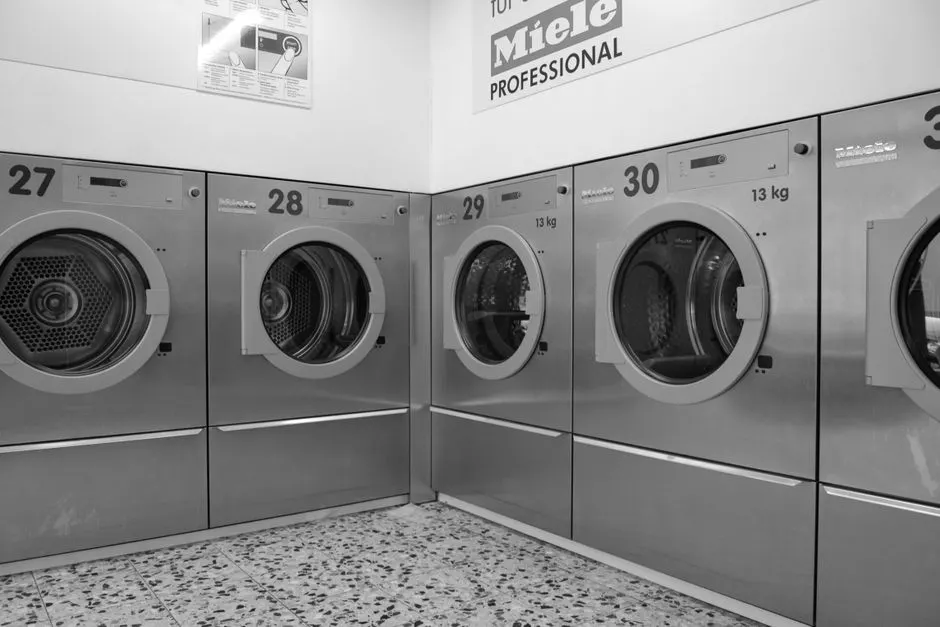
A sleek row of industrial washing machines in a modern laundromat, conveying efficiency and cleanliness.
Licensed Licensed & Bonded
Fully Insured Insured & Bonded
24/7 Emergency Same-Day Response
Warranty Backed Workmanship Guaranteed

What Washer Maintenance Covers

Your visit covers a visual inspection, accessible connection checks, leveling review, selected operational tests, and practical care guidance. We clean serviceable residue when appropriate and report developing concerns clearly. Component replacement, major disassembly, and corrective repairs are not routine tune-up tasks; if testing points to one, we explain the finding and price before doing that additional work.

Hose and Seal Review

We inspect accessible inlet and drain hose sections, their visible connections, and the door or lid sealing area for wear, moisture, residue, and signs of seepage. This check helps identify a developing leak before it spreads under cabinets or across flooring.
Level and Stability Check

We check whether the cabinet sits firmly and evenly, then adjust leveling feet where appropriate. A stable washer is less likely to strike nearby surfaces during spin. We also note floor movement or installation constraints that could continue to affect vibration.

Operating Cycle Tests

We test relevant fill, wash, drain, and spin functions based on your symptoms and the machine's controls. We listen for abnormal pump or spin noise and observe whether the washer advances through the selected test. Results guide the findings summary and any repair recommendation.

Care and Findings Summary

We explain what passed, what needs monitoring, and what calls for a separate repair. You receive practical guidance on detergent use, monthly cleaning, load balance, and signs of water leakage. The advice is tailored to the washer and laundry setup we inspected.

Washer Maintenance and Tune-Up in Washington


Washer Maintenance and Tune-Up in Washington is preventive appliance care that inspects, cleans, and tests a washer to reduce wear and identify developing faults before they interrupt a cycle. We check hose connections, drainage, leveling, door or lid operation, and visible wear around moving parts. A standard visit takes about 60 to 90 minutes, depending on access and machine condition. We run a test cycle, record relevant symptoms or error codes, and separate routine adjustments from any repair that needs your approval.

Washington homes put washers through different demands: damp coastal air can encourage musty odors, winter cold can affect utility rooms, and dusty or dry conditions east of the Cascades can collect around service areas. Washington washer maintenance and tune-up is useful after a move, a heavy laundry season, or recurring vibration. A preventive washer maintenance service in Washington also helps identify an aging inlet hose, restricted drain, or load-balance issue before it damages flooring or delays laundry.

What to Expect During Service

Washer Maintenance and Tune-Up in Washington follows a clear inspection, test, and findings sequence. We protect the work area, explain what we are checking, and keep you informed before any repair is considered.

01

Schedule

Call or book online — a real human picks up and confirms a 2-hour arrival window.

02

Diagnose

Licensed tech inspects on-site, then walks you through the cause and your options.

03

Fix

The job is completed to code and done right the first time — no shortcuts, no surprises.

04

Guarantee

Every job backed by a written workmanship warranty — and we stand behind it.

Tools and Testing Methods

Tools & Equipment

Digital multimeter

We use a digital multimeter for appropriate electrical checks when symptoms point to a supply or component issue. Testing follows safe isolation practices and model-specific service procedures.

Clamp meter

A clamp meter measures current draw during a suitable operating test, helping us assess electrical load when a washer's behavior suggests a motor or circuit concern.

Torpedo level

We place a torpedo level on the washer to check alignment side-to-side and front-to-back. Stable leveling reduces avoidable cabinet movement during high-speed spin.

Washer diagnostic interface

On compatible models, the washer diagnostic interface retrieves supported error information and assists with service tests. We compare those results with observed operation rather than relying on a code alone.

Wet/dry vacuum

When a controlled service task requires water cleanup, a wet/dry vacuum helps remove residual water from the work area. It supports a dry, orderly inspection without substituting for a repair.

Methods & Standards

Symptom-led inspection

We start from the customer's reported behavior and test the related functions first. A washer not draining leads to a drainage check; a washer not spinning leads us to examine drain completion, balance, and spin response. This keeps the visit focused and helps separate the symptom from its cause.

Operational verification

After inspection or an appropriate adjustment, we run the relevant operating function and confirm the washer advances as expected. We observe water movement, sound, vibration, and control response. A successful test is recorded as a result, while any unresolved fault is stated plainly.

Safety and manufacturer procedure

We follow manufacturer-specific appliance service training and applicable UL appliance safety standards when working around washer components. Electrical contracting work is performed under Washington State electrical contractor licensing requirements where applicable. EPA Section 608 certification is relevant only when regulated refrigerants are handled, which is not part of ordinary washer tune-up work.

When to Schedule a Tune-Up

01

Your washer has handled several loads a day through the busy household season and now sounds louder at spin.

What we do: We inspect stability, hose routing, and the machine's spin behavior, then check for visible wear or leakage. We compare the sound during operation with the reported symptom and identify whether leveling or a separate mechanical repair is needed. You receive care guidance suited to your household's laundry volume.

→ You know whether a setup correction is enough or whether a worn component needs repair, before the noise worsens or the machine shifts farther.

02

You are moving into a home and want the washer checked before connecting it for regular use.

What we do: We review the washer's condition, accessible hoses, drain connection, and leveling after placement. We run selected functions to verify fill, drainage, and spin response. If the installation requires plumbing or electrical contracting work, we observe the applicable Washington licensing requirements for that work.

→ You start with a tested appliance and a clearer record of existing wear, rather than discovering a leak or vibration problem after several loads.

03

A front-load washer develops a recurring odor even though you have already cleaned the drum.

What we do: We inspect the gasket folds and accessible drainage areas, assess whether water remains after cycles, and review detergent use. We test drainage when symptoms point beyond surface residue. If a component or drain issue is involved, we explain the specific repair needed and provide pricing before proceeding.

→ You get a practical cleaning routine and a clear answer about whether trapped moisture, drainage, or a damaged seal is behind the odor.

04

Your laundry room is being renovated and the washer will be reconnected after the work is finished.

What we do: We check the washer's condition and fit after it is returned to position, verify stable leveling, inspect visible hose connections, and run an operational test. We note clearance or access limitations that could affect future service. Any installation correction beyond routine adjustment is discussed separately.

→ The appliance is checked in its new setup, and you can catch a connection or balance issue before the room returns to everyday use.

How Service Works Across Washington

Washer Maintenance and Tune-Up in Washington has to account for real differences between homes and regions. Western communities often see prolonged damp weather, so we pay close attention to gasket moisture, laundry-room ventilation, and signs of slow leaks. Inland areas can have drier, dustier conditions and larger temperature swings in garages or utility rooms; we check hose routing and the appliance's placement accordingly. In older homes, tight alcoves and uneven floors can complicate access or amplify vibration, while newer high-efficiency machines may require model-specific diagnostic steps. Our washing machine servicing in Washington uses the same disciplined inspection sequence statewide, with tests selected for your washer and reported symptoms. For a preventive washer maintenance service in Washington, tell us whether the unit is stacked, recently moved, or connected in a garage so we can plan the visit. Any electrical or plumbing contracting work follows the applicable Washington licensing requirements; routine appliance inspection does not replace code-required trade work.

Neighborhoods We Serve

  • Vancouver

    In compact laundry rooms, we check hose clearance and washer stability so vibration does not transfer into adjacent cabinets or walls.

  • Kirkland

    For stacked or built-in laundry setups, we assess accessible connections carefully and account for restricted service space during testing.

  • Richland

    Utility rooms and garage placements call for a close look at temperature exposure, hose condition, and stable footing.

  • Port Townsend

    Coastal dampness makes gasket drying and odor prevention useful parts of the care conversation after inspection.

Local Conditions We Plan For

  • Damp winter air increases moisture around seals and laundry spaces

    We inspect gasket folds and visible residue, then explain how airflow after each cycle helps reduce trapped moisture. If odor persists with standing water, we test drainage rather than treating cleaning as the only answer.

  • Cold utility rooms expose hoses and connections to lower temperatures

    We review hose condition and placement, especially where a washer sits near an exterior wall or in an unheated space. A damaged or poorly routed hose needs attention before a leak creates floor damage.

  • Uneven floors and tight alcoves complicate appliance stability

    We check level and foot contact, inspect available clearance, and run a controlled spin test. If the floor itself moves or access prevents a safe adjustment, we explain the limitation and the practical next step.

Reducing Spin-Cycle Movement

Before

A household reported that its washer shifted several inches during high-speed spin and struck a nearby cabinet. The machine also produced a rhythmic thump. The owner had tried smaller loads, but the movement continued, leaving the hose connections under repeated strain.

After

We found that the washer did not sit evenly, adjusted the feet, and confirmed stable contact with a torpedo level. A test spin completed without the cabinet-to-cabinet knocking. The service addressed the setup issue; we also documented the need to call if the thump returns under balanced loads.

Maintenance: Keep loads distributed around the basket and check that the washer remains stable after moving nearby appliances. If movement returns, stop the cycle and arrange another inspection rather than repeatedly running high-speed spins.

Before

Laundry finished wetter than usual, and the final drain phase took longer than the owner expected. No standing water remained every time, so the problem seemed intermittent. The change made the spin cycle less effective and raised concern about a pump failure.

After

We ran a drain test, observed the pump operation, and inspected the accessible drain path. The test identified restricted flow rather than an immediate pump failure. After the appropriate service action, a repeat test drained within the machine's normal cycle behavior, and the owner received a clear watchlist for recurrence.

Maintenance: Avoid overloading the drum and watch for a new delay, standing water, or unusual pump sound. If the washer again leaves clothes wet, note the cycle stage and error display before arranging diagnosis.

Before

A front-load washer carried a musty smell into clean laundry despite periodic drum cleaning. Moisture remained in the door seal after cycles, and detergent residue was visible in the gasket folds. The owner wanted to know whether a component had failed.

After

We inspected the seal and drainage behavior, cleaned accessible residue, and found no active leak during the test. The odor source was consistent with trapped moisture and buildup. The owner received model-appropriate cleaning guidance and a plan to monitor the seal and drainage over the next several weeks.

Maintenance: Wipe the gasket after heavy use, use the recommended detergent dose, and leave the door ajar when safe for the household. A recurring odor with standing water needs a drainage check, not just another cleaning tablet.

Prevent Problems Before They Spread

Preventive washer maintenance service in Washington targets early warning signs that are easy to overlook between loads. We test the symptom, inspect related parts, and tell you whether routine care, an adjustment, or a repair is needed.

Problem

Washer vibrates hard or shifts during the spin cycle

Repeated movement can strain hoses, scuff nearby cabinets, and create noise that travels through the floor. Continued vibration can also conceal worn suspension components.

Our Fix

We check cabinet stability and level, observe a spin test, and assess whether the load or washer setup explains the movement. If the machine is out of level, we adjust it where possible and confirm stability. If testing suggests worn suspension rods or shock absorbers, we explain the repair rather than treating damaged parts as a tune-up.

Problem

A musty smell returns soon after cleaning the washer

Moisture and detergent residue can collect around the gasket or dispenser area, leaving laundry with an unpleasant odor and making the washer less inviting to use.

Our Fix

We inspect the accessible gasket area and drainage behavior, remove serviceable residue, and check for standing water or a drainage concern. We then review detergent dosing and post-cycle airflow with you. Persistent odor accompanied by drainage trouble receives a diagnostic recommendation, since cleaning alone will not correct a failing pump or blocked path.

Problem

Small leaks appear near the washer after a cycle

A slow leak can soak flooring or cabinetry before it becomes obvious, and water near electrical connections creates an avoidable safety concern.

Our Fix

We look for moisture tracks around hose connections, the door seal, and the washer base, then run an appropriate test to reproduce the leak if safe. We identify whether the cause is a loose connection, damaged hose, or internal component. Repair work is priced separately and tested for leaks after completion.

Problem

Drain or spin performance changes without warning

Wet laundry, interrupted cycles, and repeated resets can waste time and may point to a developing restriction or component fault.

Our Fix

We observe the drain and spin functions, check for supported error codes, and listen for pump behavior. A simple load or setup issue is separated from a drain pump obstruction or failure. You get a clear next step based on test results, not a guess based only on the symptom.

Practical Benefits for Your Washer

Practical Benefits for Your Washer

A careful tune-up gives you a clearer picture of your washer's condition and helps prevent small maintenance issues from becoming disruptive breakdowns. We focus on measurable checks, not vague promises.

  • Catch Leaks Early

    We inspect inlet and drain hose connections, the rubber door gasket, and the area beneath the cabinet for fresh moisture or residue. Finding a loose connection or early gasket seep before it leaves a puddle can protect nearby flooring. If a part is failing, we show you the evidence and explain the repair needed.

  • Reduce Excess Vibration

    An out-of-level washer or worn suspension can thump during spin and shift across the floor. We check level in both directions, inspect the load movement, and run a controlled spin test. Correcting a small leveling problem can reduce cabinet movement; damaged suspension parts are identified for repair rather than hidden by an adjustment.

  • Improve Drain Performance

    A slow drain leaves laundry wetter and can strain the drain pump. We inspect the accessible drain path, listen during pumping, and note standing water or unusual cycle time. Routine cleaning and an operating check can reveal an obstruction early, while pump failure or a blocked household drain is clearly distinguished from ordinary maintenance.

  • Keep Odors in Check

    Detergent residue and moisture around a front-load gasket can contribute to mildew odor. We clean serviceable residue, inspect the gasket folds, and review detergent dosing and door-drying habits with you. Use a washer-cleaning tablet monthly if the manufacturer permits, and leave the door ajar after cycles when the room and household setup allow it.

Safety and Service Standards

Licensed & Certified

  • Manufacturer-specific appliance service training — issued by Appliance manufacturers
  • OSHA workplace safety training — issued by Occupational Safety and Health Administration
  • EPA Section 608 certification when regulated refrigerants are handled — issued by U.S. Environmental Protection Agency
  • Washington State electrical contractor licensing when electrical contracting work is performed — issued by Washington State Department of Labor & Industries

Verified Reviews

Customer feedback Not stated

A homeowner in Vancouver said the inspection found an uneven washer before continued spin movement strained the hose connections. The technician corrected the level, tested the spin cycle, and explained how to load the drum evenly. The customer valued leaving with both a working machine and clear care instructions.

Customer feedback Not stated

A customer in Kirkland described a recurring front-load odor that drum cleaning had not fixed. The visit focused on the gasket, moisture, and drainage behavior. The technician explained which habits would help and what symptoms would point to a separate repair, without claiming a failed part that testing did not support.

Customer feedback Not stated

A Richland homeowner called after noticing a slower drain and wetter laundry. The technician ran an operational test, inspected the accessible path, and explained the difference between restricted flow and pump failure. The customer appreciated receiving a specific finding and a practical plan for watching the washer.

Appliance Maintenance Know-How

Our team works across common residential washer designs and adapts the inspection to the model, installation, and symptoms in front of us. Manufacturer-specific appliance service training supports accurate checks on controls and service procedures. We use safe work practices, follow applicable UL appliance safety standards, and observe Washington State electrical contractor licensing requirements when electrical contracting work is performed. EPA Section 608 certification applies to technicians handling regulated refrigerants when applicable; it is not a routine washer-maintenance credential. We do not claim a fixed tenure or a made-up service count.

  • We inspect Whirlpool, Maytag, GE Appliances, LG, Samsung, Electrolux, Frigidaire, Bosch, Speed Queen, and Amana washers using model-appropriate procedures.
  • Our technicians distinguish routine cleaning and adjustment from a failed drain pump, control fault, or component replacement requiring repair.
  • We check ENERGY STAR efficiency specifications where relevant and avoid adjustments that conflict with the manufacturer's operating guidance.
  • OSHA workplace safety training informs safe handling, electrical isolation, water control, and work-area practices during service.
  • We document observable symptoms and test results so you can make a clear decision about any additional repair.
Get Started Today
Appliance Maintenance Know-How

Cities We Serve Across Washington

Our Washington-wide routes connect households in larger cities, regional centers, and smaller communities. We schedule Washer Maintenance and Tune-Up in Washington with the same inspection standards while adapting to travel distance, home layout, weather exposure, and washer access. washing machine servicing in Washington is available in the communities below; share your model and symptoms when you call so we can prepare for the right checks.

Vancouver

We inspect washer stability, hose connections, and odor sources in Vancouver homes, including compact laundry spaces where vibration can affect nearby cabinets.

Kirkland

Our tune-up checks focus on drainage, door seals, and access around stacked or built-in laundry units commonly found in tight utility areas.

Richland

We test fill, drain, and spin functions and review hose condition for washers installed in utility rooms or garage-adjacent spaces.

Parkland

We check level, load movement, and visible hose wear, then run a test cycle to identify developing vibration or drainage concerns.

Camas

Our maintenance visit includes a practical review of gasket moisture, connections, and washer stability, with care advice tailored to your machine.

North Lynnwood

We account for limited laundry-room clearance while inspecting accessible seals and hoses and verifying that the washer drains and spins correctly.

Tukwila

Technicians test reported cycle changes and inspect the setup for vibration, leaks, or restricted access that could complicate routine care.

Monroe

We check washer leveling and visible connections, then assess drainage and spin behavior for households with frequent laundry loads.

Sunnyside

A tune-up in Sunnyside includes operational testing and an inspection of accessible hoses, seals, and cabinet stability.

Artondale

We inspect for moisture, gasket residue, and vibration, then run the washer through relevant functions before summarizing findings.

Enumclaw

Our visit checks the washer's footing, hose condition, and drainage response, including units placed in utility rooms or garages.

Grandview

We test fill and drain performance, inspect accessible connections, and explain any developing issue before recommending separate repair work.

Port Townsend

We pay close attention to gasket moisture and lingering odor, alongside the usual checks for leaks, drainage, and stable spin.

Midland

Our technicians inspect washer setup and accessible water connections, then test the functions connected to your reported symptoms.

Summit View

We check washer level, observe a test spin, and review hose routing so early vibration or leak concerns are addressed clearly.

Washer Maintenance Questions, Answered

Real answers to the questions we hear most often from local homeowners and property managers.

How much does washer maintenance cost in Washington?
A routine washer maintenance visit commonly costs $120 to $250 in 2026, depending on access, testing, and cleaning needs. The price rises if diagnosis reveals a failed component or a repair is requested. We explain the maintenance charge and provide upfront pricing before additional work. Parts, stacked installations, and difficult access can change the total, while a straightforward inspection and test cycle usually stays near the lower end.
How often should I schedule washing machine servicing in Washington?
Schedule washing machine servicing in Washington once every 12 months for typical household use, or sooner if leaks, odor, noise, or cycle changes appear. Homes running several loads daily may benefit from a 6-to-9-month interval. Check hoses periodically and follow your model's cleaning instructions between visits. If the washer moves during spin or leaves water behind, arrange an inspection rather than waiting for the annual appointment.
What is included in a washer tune-up in Washington?
A washer tune-up in Washington includes a visual inspection, hose and seal checks, leveling review, selected wash and drain tests, and a findings summary. A visit usually takes 60 to 90 minutes. We also assess odor sources and accessible residue, then review care steps for your model. Replacement parts, major disassembly, and repairs are separate work; we identify those needs and explain the cost before proceeding.
Can preventive maintenance help a washer last longer in Washington?
Yes, preventive maintenance can reduce avoidable strain by catching leaks, poor leveling, drainage restrictions, and residue buildup early. It cannot guarantee a specific lifespan or prevent every component failure. An annual washer inspection and maintenance in Washington gives you a documented check of key operating conditions, while prompt attention to unusual noise or water helps limit secondary damage. Keep loads balanced and use detergent at the dose your washer requires.

Related Washer Services

Washer Repair

If a tune-up uncovers a failed part or your washer has already stopped working, repair addresses the specific fault. We use the inspection results to focus diagnosis, test the affected function, and explain the repair needed to restore normal washing.

View Washer Repair

Front-Load Washer Repair

Front-load machines need attention to door locks, gasket condition, and drainage. If routine care reveals a torn seal, persistent odor, or door-lock failure, front-load repair follows with model-specific testing and the appropriate component work.

View Front-Load Washer Repair

Top-Load Washer Repair

A top-load tune-up checks stable operation, fill, drain, and lid response. If a lid lock, drive component, or control fault fails testing, top-load repair targets that issue instead of relying on repeated resets or continued operation.

View Top-Load Washer Repair

High-Efficiency Washer Repair

High-efficiency machines use less water and depend on suitable detergent and balanced loads. If maintenance testing finds repeated error codes, poor drainage, or a control problem, high-efficiency repair provides a focused diagnostic path for the machine's design.

View High-Efficiency Washer Repair

Washer Installation

A newly installed washer needs stable leveling, correct hose connections, and an operational test. Installation is a useful companion to a maintenance visit after a move, renovation, or replacement, helping you start with a secure setup and fewer avoidable vibration problems.

View Washer Installation

Washer Replacement

When inspection shows multiple costly failures or substantial wear, replacement may be more practical than repeated repairs. We explain the washer's condition and help you compare the maintenance findings with the age, symptoms, and repair needs before you choose a next step.

View Washer Replacement

Book Washer Maintenance and Tune-Up in Washington

Protect your next laundry day with a measured inspection and operating test. Call our team to arrange service; we provide upfront pricing before additional repair work.

Call Today Book Service

Contact Our Team

Call +18665940052 to arrange washer or dryer service anywhere in Washington. Share your location, appliance brand, and the problem you are seeing; our team will help coordinate the next available service window. Phone support is available daily from 8:00 a.m. to 6:00 p.m., and you can email details or photos to info@washingtonwasherrepair.com.

Or call us right now at +18665940052 — we answer.

Washington Washer Repair


  • Phone

    +18665940052
  • Address

    Washington

  • Hours

    Mon–Fri: 7AM – 7PM
    Sat: 8AM – 4PM
    Sun: Emergency Only
    24/7 Emergency Available

Call +18665940052 Get Quote
Call Quote