Logo
Get Estimate

Top-Load Washer Repair in Washington That Restores Wash Days

We diagnose the fault and get your washer working again.


Top-Load Washer Repair in Washington gets your washer through the fill, wash, drain, and spin cycle safely. Our team helps homeowners and renters facing a washer that will not drain, excessive vibration, leaks, or a failed lid lock. We provide top-loading washing machine repair in Washington for common household models, identify the cause before replacing parts, and test the completed repair so you can get laundry moving again.

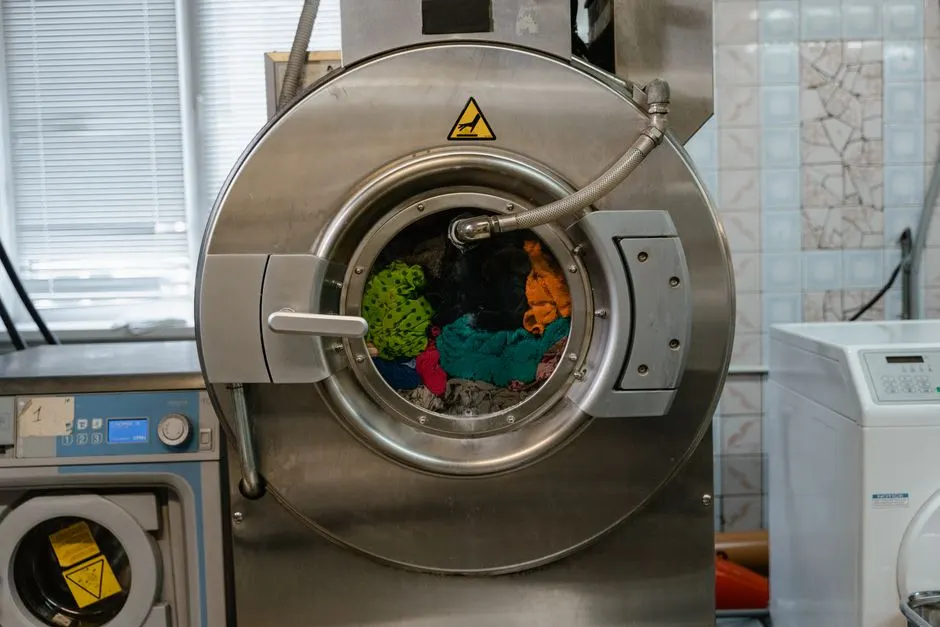
A close-up of an industrial washing machine operating in a laundry facility.
Licensed Licensed & Bonded
Fully Insured Insured & Bonded
24/7 Emergency Same-Day Response
Warranty Backed Workmanship Guaranteed

What Top-Load Washer Service Includes

Our service covers the diagnosis and repair of common top-load washer faults, followed by a test of the affected function. We inspect accessible water, drain, drive, and control components and explain the recommended work before proceeding. Replacement parts, unusually difficult access, or broader plumbing or electrical contracting work are handled according to the actual repair need and applicable licensing requirements.

Cycle Symptom Diagnosis

We identify where the cycle fails, such as filling, agitation, draining, or spin. We compare the symptom with the model's operation and check relevant components so a washer that stops mid-cycle is not treated as a generic control failure.
Water Path Inspection

We inspect accessible inlet and drain connections for drips, kinks, loose fittings, and blockages. When water remains in the tub, we examine the drain path and pump area, then verify drainage after the repair.

Mechanical and Lock Checks

For noise, vibration, or no-spin complaints, we check load balance, leveling, lid-lock behavior, and the applicable drive components. The inspection is tailored to the washer design, since top-load models do not all use identical suspension or drive systems.

Repair Verification

After approved work, we run the operation connected to the complaint and inspect the area we serviced. You see whether the washer fills, drains, locks, or spins as expected, and we explain any practical care steps before leaving.

Top-Load Washer Repair in Washington


Top-Load Washer Repair in Washington is an appliance repair service that diagnoses and fixes mechanical, electrical, and water-flow faults that interrupt a top-loading washer's cycle. We check the symptoms, inspect hoses and accessible components, then use model information and diagnostic readings to trace the failure. A repair may involve clearing a drain obstruction, replacing a worn drive belt, correcting a water inlet valve fault, or addressing a control problem. We verify the machine's operation with a test cycle rather than relying on a reset alone.

Washington homes put washers in varied settings, from compact utility closets to garages and laundry rooms exposed to winter cold. Damp air can aggravate musty odors, while a poorly leveled floor or overloaded basket can create repeated shaking. Our Washington top-load washer repair starts with your specific symptom and model, not a parts guess. If you need same-day top-load washer repair in Washington, tell us whether the machine fills, agitates, drains, and spins; those details help us prepare for the likely fault.

What Happens During Your Repair

Top-load washer service follows a practical sequence: we listen to the symptom, inspect the machine, explain the fault, complete approved work, and verify the cycle. Many straightforward repairs take about 1 to 3 hours after diagnosis; complex access or a special-order part changes the timeline. You stay informed at each step.

01

Schedule

Call or book online — a real human picks up and confirms a 2-hour arrival window.

02

Diagnose

Licensed tech inspects on-site, then walks you through the cause and your options.

03

Fix

The job is completed to code and done right the first time — no shortcuts, no surprises.

04

Guarantee

Every job backed by a written workmanship warranty — and we stand behind it.

Tools and Repair Methods

Tools & Equipment

Digital multimeter

We use it to check electrical continuity and voltage at relevant washer components when the diagnostic procedure calls for those measurements.

Washer diagnostic interface

On supported models, it helps us retrieve fault information and run service tests for controls, locks, fill, or drain functions.

Nut drivers and socket set

These provide controlled access to cabinet panels and component fasteners, helping us reach the repair area without damaging the washer's hardware.

Torpedo level

We use it to check whether the appliance sits level, a basic but important step when a top-loader shakes or shifts during spin.

Wet/dry vacuum

When standing water is present, we use appropriate water-removal equipment to clear the immediate work area before testing the drain system.

Methods & Standards

Symptom-to-cycle tracing

We map the complaint to the washer's sequence: fill, wash, drain, and spin. Identifying the last completed stage narrows the inspection and reduces unnecessary part changes. We then test the likely cause and compare the result with the machine's normal operation.

Water-path verification

For a leak or drainage fault, we inspect the inlet and drain routes, secure or repair the affected point, and observe the relevant cycle. We check for fresh moisture and confirm that water leaves the tub rather than relying on a visual check while the machine is idle.

Load and vibration assessment

We distinguish an overloaded or uneven basket from a mechanical problem by checking leveling, load distribution, and the washer's response during spin. If the vibration continues with a balanced test load, we inspect the applicable suspension and drive components.

When to Call for Top-Load Repair

01

Your washer stops with a full tub before spin, leaving clothes too heavy to lift comfortably.

What we do: We check the drain route and pump first, then test the lid-lock sequence and spin function. If water cannot leave the tub, the washer may block spin as a protective step. We clear an obstruction or repair the failed component, then confirm that the tub empties.

→ You get a clear cause for the stopped cycle and a verified drain test, so the next load does not begin with standing water.

02

A winter cold snap leaves a washer in an unheated garage slow to fill or unable to complete a cycle.

What we do: We inspect the water supply and inlet connections, look for restricted flow, and check the fill system against the model's normal operation. We also consider whether the installation area exposes water lines to cold conditions and explain what needs attention before normal use resumes.

→ The washer's fill problem is addressed at its source, and you know which supply or installation condition needs monitoring during colder weather.

03

A shared laundry room washer begins leaking, shaking, or showing an error code between residents' loads.

What we do: We document the observed symptom with the person arranging service, inspect the machine and accessible connections, and run a targeted test. We check for a loose hose, unbalanced setup, obstruction, or control fault, then explain the repair and any operating steps needed for shared use.

→ Residents get a tested machine and a practical account of the repair, helping reduce repeat calls caused by the same fault or use pattern.

Top-Load Repair Across Washington

Top-load washer repair in Washington has to account for how and where the appliance is installed. In damp coastal communities, laundry rooms and garages may stay humid through fall and winter, so we check for moisture around hoses and advise cleaning the washer regularly. Inland cold spells can affect supply lines in unheated utility spaces; we inspect fill symptoms carefully rather than assuming the valve has failed. Older homes may have tight laundry closets, while newer homes often place machines on upper floors where leak checks matter. We plan the repair around the model, access, and symptom you report. For top-loading washing machine repair near me in Washington, share whether the machine is on a finished floor, in a garage, or in a shared room. Electrical or plumbing contracting work, when required, must meet applicable Washington licensing rules. We test the repaired cycle and water connections before calling the job complete.

Neighborhoods We Serve

  • Silver Firs

    In Silver Firs, garage and utility-room installations can put washer supply lines near colder exterior walls. We check the fill complaint and accessible connections before recommending a valve.

  • White Center

    Compact laundry spaces in White Center can make hose access and leak tracing tight. We protect the surrounding area and inspect the machine's connections before testing a repaired water path.

  • Bainbridge Island

    For Bainbridge Island homes, we account for varied laundry-room layouts and inspect for moisture around the washer after coastal damp periods, especially when a leak appears intermittently.

  • Ellensburg

    In Ellensburg, a washer in an unheated garage deserves a careful fill and supply-line check during cold weather. We separate restricted water flow from a component failure.

Local Conditions We Plan For

  • Cold snaps reach washers installed in unheated garages or utility rooms.

    A restricted or compromised supply line can mimic a failing inlet valve. We check the flow and installation conditions, then explain any exposure that should be corrected before another cold spell.

  • Persistent dampness makes small washer leaks harder to spot.

    Moisture can collect behind appliances or under stored laundry items. We inspect the connection points and watch the washer during the affected cycle so an intermittent drip is not missed.

  • Upper-floor laundry rooms sit over finished living areas.

    A leak deserves prompt attention because water can damage ceilings and flooring below. We identify the source, stop the leak where possible, and verify the repaired connection under operating conditions.

Stopped Before Final Spin

Before

The washer filled and agitated normally but stopped with water in the tub. Two reset attempts changed nothing, and each restart left the clothes soaked. The symptom pointed to a drain or lock-sequence issue, but replacing a pump without testing would have risked missing a simple obstruction.

After

We found debris restricting the drain path, removed it, and ran a drain test followed by a spin check. The tub emptied in about 2 minutes during verification, and the washer completed the final spin without stopping. The repair addressed the blockage instead of replacing a working pump.

Maintenance: Check pockets before loading and avoid washing items that shed loose debris without a suitable laundry bag. If water begins draining slowly again, stop repeated resets and note whether the washer hums or displays an error.

Before

A top-loader shook hard enough to shift from its marked floor position during bulky loads. The household had reduced the load size, but the machine still vibrated through spin. The floor and washer level needed checking before blaming a worn suspension component.

After

We corrected the uneven setup, inspected the suspension, and tested a balanced load. The washer stayed in place through a 10-minute spin check, with no repeated cabinet banging. The customer also learned how to distribute towels evenly rather than placing a heavy bundle on one side.

Maintenance: Keep the washer level and avoid packing the basket tightly with heavy items. Recheck the load if the first spin begins to thump; repeated vibration after a balanced load needs inspection.

Before

A small puddle appeared near the rear of the washer after several fill cycles, but the floor was dry between loads. The household had not seen water inside the tub, making a drain issue less likely. The inlet connection needed inspection under operating conditions.

After

We located a loose inlet connection, secured it, and observed the next fill. No fresh moisture appeared during the test, which ran for about 8 minutes. The washer completed the fill stage normally, and the floor remained dry after the connection check.

Maintenance: Look behind the washer periodically for dampness, bulging hose sections, or mineral marks at connections. Do not pull the appliance by its hoses; call for service if the leak returns during filling.

Fix Top-Load Washer Problems Before They Spread

Top-load washer faults often show up as a visible change: a tub full of water, a wet floor, a lid that will not lock, or a loud spin. We trace the cause and check related parts so a small restriction or loose connection does not turn into repeated cycle failures. Describe what happened just before the washer stopped.

Problem

The washer finishes washing but leaves water and wet clothes in the tub.

Standing water can leave laundry sour and keep the next load from starting; repeated attempts can strain a pump that is already obstructed.

Our Fix

We inspect the drain hose and pump path for a restriction, then test the pump operation if water still will not clear. If debris is blocking the route, we remove it and verify drainage. If the pump has failed, we explain the part and repair needed before completing the work.

Problem

The top-load washer bangs and walks across the floor during spin.

Ongoing vibration can loosen connections, damage nearby finishes, and add stress to suspension components, especially when the machine is repeatedly overloaded.

Our Fix

We check whether the washer is level, inspect the load-related symptoms, and assess the suspension system for wear. Where suspension rods are used, we look for uneven support and replace failed components as needed. We test spin performance afterward and show you how to distribute a bulky load.

Problem

A puddle appears near the washer after filling or draining.

Even a small leak can swell flooring or damage stored items if it recurs across several loads or sits unnoticed overnight.

Our Fix

We trace the water to an inlet connection, drain hose, pump area, or other accessible source rather than assuming the tub is leaking. We repair the confirmed issue and run the relevant water stage while checking for fresh moisture around the connection.

Problem

The washer will not start or the lid lock does not engage.

Laundry remains trapped in an incomplete cycle, and repeated power resets may not resolve a failed lock, control fault, or electrical connection.

Our Fix

We inspect the lid-lock mechanism and use model-specific diagnostic steps to check the control response. If the lock or a related component has failed, we replace the appropriate part and confirm the washer starts and proceeds safely through the required stage.

Get Laundry Back on Schedule

Get Laundry Back on Schedule

A stalled washer affects more than one load: wet laundry can sit in the drum, a leak can spread across the floor, and repeated vibration can move the appliance. We focus on finding the fault, making the needed repair, and checking the cycle that failed. You get a clear explanation of what was tested and what changed.

  • Targeted Fault Diagnosis

    We trace the failed step instead of replacing parts by guesswork. If the washer will not spin, we check load balance, lid-lock operation, drive components, and the drain path. A focused diagnosis helps separate a simple obstruction from a component failure and gives you a practical repair plan before work proceeds.

  • Leak Source Identified

    A wet floor does not always mean the washer tub is damaged. We inspect inlet hoses, drain connections, and the washer body to locate the source. After repair, we run water through the relevant cycle and look for renewed seepage, helping protect flooring and nearby storage.

  • Stable Spin Performance

    A washer that bangs during spin can strain its suspension and shift across the floor. We check leveling, load behavior, and suspension rods where the model uses them. Our top-load washer service Washington customers request is aimed at stopping the cause, not just quieting one cycle.

  • Model-Specific Decisions

    Whirlpool, Maytag, GE Appliances, LG, and Samsung top-load models use different component layouts and diagnostic procedures. We identify the model before selecting a part or test. That helps you avoid an unnecessary replacement and supports a repair that matches the machine's design.

Safe, Tested Repair Work

Licensed & Certified

  • Manufacturer-specific appliance service training — issued by Appliance manufacturers
  • OSHA workplace safety training — issued by Occupational Safety and Health Administration
  • Washington State electrical contractor licensing, when electrical contracting work is performed — issued by Washington State Department of Labor and Industries
  • Washington State plumbing contractor licensing, when plumbing contracting work is performed — issued by Washington State Department of Labor and Industries

Verified Reviews

Customer feedback Not rated

A customer in Mount Vernon reported that a washer filled but would not drain. We checked the drain path, removed an obstruction, and confirmed the tub emptied during testing. The useful part was finding the cause before recommending a pump.

Customer feedback Not rated

A homeowner in Washougal called about a washer that shook during spin. We checked the level and load behavior, corrected the setup, and verified a stable spin. The customer appreciated receiving specific loading guidance along with the repair.

Customer feedback Not rated

In Toppenish, a customer noticed a recurring drip during the fill stage. We traced it to an inlet connection, secured it, and observed a full fill test with no fresh moisture. The visit resolved the leak and clarified what to watch for.

Hands-On Appliance Expertise

Top-load washers combine water control, motor-driven movement, safety locks, and electronic controls, so a single symptom can have several causes. Our team uses manufacturer-specific appliance service training and model information to narrow the diagnosis across common household brands. We do not claim a set number of years or repair jobs; we focus on careful testing, safe handling, and a verified result. Electrical contracting work is performed only under applicable Washington State electrical contractor licensing requirements, and plumbing contracting work follows Washington State plumbing contractor licensing requirements.

  • We distinguish a blocked drain pump from a failed pump by checking the drain path and confirming whether the component operates.
  • For a no-spin complaint, we check the lid lock, load balance, and drive system before recommending a repair.
  • Our team follows manufacturer-specific appliance service training and uses the model number to match procedures and parts.
  • We protect against water damage by checking hose connections and testing repaired water paths under operating conditions.
  • We assess excessive vibration with attention to level, load distribution, and suspension condition rather than treating every shake as the same fault.
Get Started Today
Hands-On Appliance Expertise

Cities We Serve Across Washington

We provide top-load washer service across Washington, connecting urban neighborhoods, island communities, coastal towns, and inland cities with practical diagnosis and tested repairs. Our routes include the 15 communities below, with service planned around your washer model, access, and symptoms. For Washington top-load washer repair, tell us if the issue is a leak, a no-spin cycle, or a machine that will not drain so we can prepare for the likely inspection.

Kennewick

In Kennewick, we diagnose top-load washers that stop draining or struggle to spin, then test the affected cycle so you know the repair worked before laundry resumes.

Everett

Everett service includes checking tight laundry-room installations for hose leaks, poor drainage, and vibration. We tailor the inspection to your model and the symptom you report.

Mount Vernon

In Mount Vernon, we trace intermittent leaks and cycle interruptions to their source, inspect accessible connections, and verify water flow after the repair.

Edmonds

Edmonds homeowners can call us for a washer that will not spin, drain, or lock. We test the relevant system before recommending parts.

SeaTac

For SeaTac homes, we check leaks and drainage around compact utility spaces and confirm that the washer completes the function that originally failed.

Bainbridge Island

Our Bainbridge Island visits focus on accurate symptom diagnosis and practical water-path checks, especially when a leak appears only during filling or draining.

Silver Firs

In Silver Firs, unheated laundry areas can affect washer supply symptoms during cold snaps. We inspect water flow and connections before deciding whether a valve needs repair.

Ellensburg

Ellensburg customers receive model-specific checks for no-fill, no-drain, and spin faults, with additional attention to washers installed in colder utility spaces.

Washougal

We handle Washougal top-load washer vibration and drainage complaints by checking level, load behavior, and the relevant mechanical or water-flow components.

White Center

In White Center, we work carefully around compact laundry layouts, trace the leak or cycle fault, and test the repair without disturbing nearby household items.

Edgewood

Edgewood service includes diagnosis of washers that stop mid-cycle, shake during spin, or leave water behind. We explain the fault and verify the repair in place.

Poulsbo

Poulsbo homeowners can book inspection for top-load leaks, lid-lock failures, and noisy spin cycles. We test the affected operation before calling the job complete.

Birch Bay

For Birch Bay homes, we inspect damp laundry spaces and accessible hose connections when a washer leaks, then observe the water stage after repair.

Vashon

Our Vashon service addresses common top-load faults with a focused inspection of fill, drain, lock, and spin functions based on your washer's symptoms.

Toppenish

In Toppenish, we diagnose leaks, no-spin problems, and drainage failures, then run the relevant cycle check so your washer is ready for its next load.

Top-Load Washer Repair Questions

Real answers to the questions we hear most often from local homeowners and property managers.

How much does top-load washer repair cost in Washington?
Typical 2026 repair pricing in Washington ranges from $150 to $850, depending on diagnosis, parts, and labor. A simple hose or obstruction repair costs less than a major control or drive-system replacement. We identify the fault and explain upfront pricing before approved work begins. The washer's brand, model, access, and part availability all affect the final amount.
Who repairs top-loading washing machines in Washington?
Washington Washer Repair handles top-loading washing machine repair in Washington for household models and common cycle faults. We inspect the machine, test the likely causes, and explain the repair before proceeding. Share the brand, model number, and symptoms when you call; those details help us prepare for a focused visit. Our technicians follow manufacturer-specific appliance service training and safe work practices.
Can a Washington technician fix a top-load washer that will not spin?
Yes, many no-spin faults are repairable, and diagnosis usually takes about 30 to 60 minutes. We check whether the washer drains, whether the lid lock engages, and whether the load is balanced before testing drive components. A blocked drain can prevent spin even when the motor works. We recommend a repair only after locating the cause and then verify the spin operation.
How do I schedule top-load washer service in Washington?
Call +18665940052 to arrange top-load washer service in Washington and describe the washer's brand, model, and failed cycle. Tell us if water is leaking, the drum remains full, or an error code appears. That information helps us prepare for the visit. If the washer is actively leaking, turn off its water supply and unplug it if you can do so safely.

Other Washer Services

Washer Repair

General washer repair addresses faults across different machine styles, including cycles that stall, leaks, drainage trouble, and control failures. If you are unsure whether the problem is specific to the top-loading mechanism, we can diagnose the whole appliance and direct the repair to the affected system.

View Washer Repair

Front-Load Washer Repair

Front-load machines use a different door seal, drum support, and water-retention design than top-load models. If your household has both styles, we service the appropriate machine and check issues such as gasket leaks, drainage, and spin vibration using model-specific procedures.

View Front-Load Washer Repair

High-Efficiency Washer Repair

High-efficiency washers need correct detergent use and model-specific attention to sensors, water levels, and cycle controls. We diagnose poor cleaning, repeated pauses, and drainage faults, then check operation in a way that suits the machine's efficiency features.

View High-Efficiency Washer Repair

Washer Installation

A properly installed washer needs secure water connections, a clear drain path, and a level base. We help connect a replacement or newly purchased top-load model, then run a short test to check filling and drainage before you put laundry through a full cycle.

View Washer Installation

Washer Replacement

Replacement is worth considering when a major failure, repeated breakdowns, or the cost of repair makes continued service impractical. We can assess the top-load washer's condition and explain whether a repair is sensible or a new machine better fits your laundry needs.

View Washer Replacement

Washer Maintenance and Tune-Up

Maintenance can catch loose hose connections, poor leveling, residue, and early signs of wear before they interrupt laundry. A tune-up also gives you practical guidance on detergent amounts and cleaning intervals suited to your washer and household use.

View Washer Maintenance and Tune-Up

Book Top-Load Washer Repair in Washington

A washer that will not drain, spin, or stop leaking needs a clear diagnosis before the next load. Call our team at +18665940052; we will discuss the symptoms and arrange service. You will receive upfront pricing before approved repair work begins.

Call Our Team Schedule Repair

Contact Our Team

Call +18665940052 to arrange washer or dryer service anywhere in Washington. Share your location, appliance brand, and the problem you are seeing; our team will help coordinate the next available service window. Phone support is available daily from 8:00 a.m. to 6:00 p.m., and you can email details or photos to info@washingtonwasherrepair.com.

Or call us right now at +18665940052 — we answer.

Washington Washer Repair


  • Phone

    +18665940052
  • Address

    Washington

  • Hours

    Mon–Fri: 7AM – 7PM
    Sat: 8AM – 4PM
    Sun: Emergency Only
    24/7 Emergency Available

Call +18665940052 Get Quote
Call Quote