Logo
Get Estimate

Washer Drainage and Clogged Drain Repair in Washington

Clear the backup and get laundry moving again


Washer Drainage and Clogged Drain Repair in Washington gets your washer draining again when water remains in the tub, a drain hose backs up, or wastewater spills onto the floor. Our team serves households across the state, from coastal homes to inland communities, diagnosing the washer and its drain connection together. For washing machine drain unclogging in Washington, we identify the blockage or failed component, make the repair, and run a drain-and-spin test.

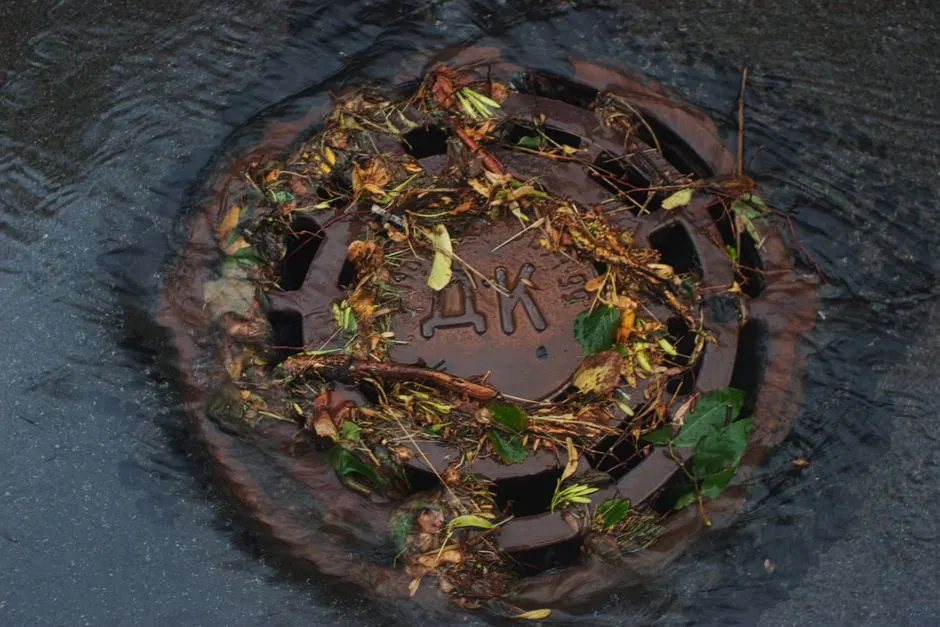
Close-up of a storm drain covered with leaves and debris during rainfall.
Licensed Licensed & Bonded
Fully Insured Insured & Bonded
24/7 Emergency Same-Day Response
Warranty Backed Workmanship Guaranteed

What Drainage Repair Covers

Our drainage visit covers diagnosis of the washer's discharge path, inspection of accessible filters and hoses, and repair of confirmed appliance-side faults. We test the machine after work and check for leaks. If the restriction sits in a building drain beyond the washer connection, we identify that boundary and explain the appropriate plumbing next step; household drain-line work is not represented as an appliance repair.

Drainage Symptom Diagnosis

We review cycle behavior, remaining water, unusual pump sounds, and any displayed code. Then we inspect the drain route and serviceable components to determine whether the cause is a blockage, damaged connection, pump fault, or a restriction outside the washer.
Accessible Blockage Removal

When debris is in an accessible washer filter or hose section, we remove it using suitable tools and check the passage for remaining obstruction. We inspect the area before reassembly so loose lint or small items do not immediately return to the pump.

Hose And Pump Repair

We repair or replace a confirmed damaged drain hose, secure a loose connection, or address a failed drain pump when testing shows it is necessary. After repair, we run the washer and check flow, clamp security, and nearby flooring for fresh water.

Operational Verification

We run a drain-and-spin test to confirm that water leaves the tub and the washer progresses through its cycle. You receive a plain explanation of the finding and practical advice on filter cleaning, hose routing, and detergent use for your model.

Washer Drainage and Clogged Drain Repair in Washington


Washer Drainage and Clogged Drain Repair in Washington is an appliance and drain-connection repair service that restores wastewater flow when a washer stops draining, drains slowly, or leaks during discharge. We inspect the pump filter, drain pump, hose, standpipe connection, and cycle behavior before choosing a fix. A small obstruction can imitate pump failure, while a worn pump can leave water trapped even when the hose is clear. We separate those causes, remove accessible debris, replace failed parts when needed, and test the machine through a complete drain phase.

Across Washington, laundry rooms range from compact utility closets to garages and basements where long or sharply bent hoses complicate drainage. Winter cold in inland areas can expose vulnerable plumbing, while damp coastal conditions can make a slow leak easy to miss behind the machine. Washington washer drainage and clogged drain repair addresses the appliance and its connection as one system. If you need a washer drainage repair service in Washington, we check for lint, small clothing items, detergent residue, hose kinks, and a restricted household drain before recommending work.

What To Expect During Service

Washer drainage and clogged drain repair across Washington follows a straightforward sequence: identify the symptom, isolate the restriction, repair the cause, and prove the result. We protect the work area and keep you informed as we move through the checks. Many accessible repairs take one to three hours; a difficult drain connection or parts issue can take longer.

01

Schedule

Call or book online — a real human picks up and confirms a 2-hour arrival window.

02

Diagnose

Licensed tech inspects on-site, then walks you through the cause and your options.

03

Fix

The job is completed to code and done right the first time — no shortcuts, no surprises.

04

Guarantee

Every job backed by a written workmanship warranty — and we stand behind it.

Tools And Repair Methods

Tools & Equipment

Digital multimeter

We use a digital multimeter to check relevant electrical readings at a suspected pump or circuit, following safe isolation practices and the model's service procedure.

Hose-clamp pliers

Hose-clamp pliers help us release and reinstall serviceable drain-hose clamps while limiting damage to the clamp, hose, and nearby components.

Inspection flashlight

An inspection flashlight helps reveal moisture, lint, hose damage, and connection issues behind or beneath the washer where room lighting is limited.

Washer diagnostic interface

A washer diagnostic interface retrieves supported fault information and helps us compare cycle behavior with the machine's service procedure rather than relying on a code alone.

Water-pump pliers

Water-pump pliers provide a controlled grip for suitable plumbing-style connections during inspection; we use them carefully to avoid deforming fittings or damaging finished surfaces.

Methods & Standards

Full Discharge-Path Isolation

We trace water from the washer tub through the pump, hose, and receiving drain, checking each section for a blockage or leak. This separates an appliance fault from a household plumbing restriction. Once the point of failure is clear, we repair only the part of the system supported by our findings.

Component Testing Before Replacement

We inspect for physical obstruction and test the suspected component before recommending a replacement. If the filter is blocked, clearing it may solve the symptom; if the pump fails testing, a pump repair is appropriate. This approach reduces guesswork and keeps the repair tied to the actual cause.

Post-Repair Cycle Verification

We run the washer through its drain phase, observe flow at the connection, and check for leaks or abnormal sounds. Where the washer permits, we continue into spin to confirm the machine advances normally. A successful reset alone does not count as proof that drainage has been restored.

When Drain Repair Is Needed

01

Your washer stops mid-cycle with water visible in the tub and the clothes still soaked.

What we do: We inspect the drain filter, hose, pump, and cycle information to find why discharge stopped. After correcting the confirmed fault, we run the drain stage and check whether the machine advances to spin. We also look for water around the washer before starting a full test.

→ You get a clear diagnosis and a washer that empties properly, so the load can continue without another forced restart.

02

A washer in a garage or utility room leaves a puddle after the drain pump runs.

What we do: We trace the leak while the washer discharges, checking the hose body, clamps, and pump-area connections. We repair the appliance-side leak and verify the hose remains secure during vibration. If water is backing up from the building drain, we identify that instead.

→ The leak source is addressed and the final test shows whether the floor stays dry through discharge.

03

After a cold spell, a laundry drain slows or the washer cannot clear water from its tub.

What we do: We check for a hose kink, obstruction, pump fault, and signs that the receiving drain is restricted. We do not assume cold weather caused the problem; the flow path must be tested. We restore appliance-side drainage where appropriate and explain any plumbing issue found.

→ You know which part of the drainage path failed and can avoid repeated cycles that risk another backup.

04

A newly moved washer drains poorly after its hose was reconnected in a tight laundry closet.

What we do: We inspect the drain hose for compression, excessive bends, insecure connections, or incorrect placement, then test the washer under operation. If the hose route is the cause, we correct it and confirm that the discharge flows without a leak or immediate backup.

→ Your washer drains as intended, and the corrected setup reduces repeat trouble after the move.

How Drain Repair Works Across Washington

Washer drainage and clogged drain repair in Washington has to account for more than the appliance model. In western communities, sustained damp weather can make small leaks around a laundry connection less obvious; in inland areas, cold snaps can expose plumbing in garages, crawlspaces, or exterior-adjacent rooms. We inspect the actual installation rather than assuming the climate caused the fault. Older homes, remodeled laundry rooms, and compact apartment closets also differ in hose access and drain layout. Our team checks the washer's own discharge components and identifies when the restriction is in the building drain. For washing machine drainage repair Washington customers need, the correct division of work matters: Washington State plumbing contractor licensing applies when plumbing contracting work is performed, and Washington State electrical contractor licensing applies when electrical contracting work is performed. We keep appliance diagnosis focused and explain any boundary clearly. To repair a washer that will not drain in Washington, we test the pump, hose, and receiving connection, then confirm flow with a running cycle before wrapping up.

Neighborhoods We Serve

  • Burien

    Laundry rooms in compact homes and multi-unit buildings can leave limited access behind the washer, so we check hose bends and connection clearance before testing discharge.

  • Yakima

    Garages and utility areas can expose drain hoses to seasonal temperature swings; we inspect routing, visible damage, and the receiving drain instead of assuming a pump failure.

  • Snohomish

    Older and updated laundry setups can place the washer beside different drain configurations. We verify whether the restriction is in the machine or the home connection.

  • Hoquiam

    In damp coastal conditions, a slow hose leak can blend into general room moisture. We watch the connection during a full drain test to pinpoint fresh leakage.

Local Conditions We Plan For

  • Cold snaps affect exposed laundry hoses and nearby drain connections

    A vulnerable hose or drain section can restrict flow or show damage after temperature swings. We inspect the route and connection, test actual discharge, and avoid attributing a blocked pump to weather without evidence.

  • Older laundry rooms may have narrow access and long hose routes

    Limited clearance can hide a crushed hose, loose clamp, or leak behind the machine. We use careful access and a running test to see whether the setup contributes to slow drainage or water on the floor.

  • Coastal dampness can obscure small leaks near the washer

    A slow drip may be hard to distinguish from ambient moisture. We check the floor and hose connections before and during discharge, then verify whether new water appears after the repair.

Obstructed Pump Filter Cleared

Before

A front-load washer stopped with water in the drum and displayed a drain-related fault. The owner had already restarted the cycle twice, but water remained and the clothes were too wet to move. The pump sounded strained, yet there was no clear evidence that the motor had failed.

After

We found lint and a small obstruction at the serviceable filter, removed the debris, and checked the pump area. The washer emptied during a drain test and completed spin without retaining water. The repair addressed the actual blockage instead of replacing a pump that still operated.

Maintenance: Check the model's accessible filter on the schedule in its manual, and empty pockets before loading. Use detergent at the amount specified for your machine; excess suds and residue can complicate drainage.

Before

A top-load washer left a narrow wet trail after each load. The hose looked intact from the front, so the leak was easy to miss until water reached the edge of the laundry-room flooring. The machine drained, but the connection shifted during the spin and discharge stages.

After

We observed the machine through a drain cycle and found a loose hose connection. After securing the connection and checking the hose route, we ran another test and inspected the floor. No fresh water appeared through the cycle, and the washer discharged normally.

Maintenance: Keep storage boxes and baskets from pressing against the hose. After moving the washer, check that the drain line has no sharp bend and that its connection remains secure.

Before

The washer drained slowly, then water rose at the receiving drain when a load discharged. Earlier attempts to clear the washer filter did not change the problem. Replacing an appliance pump would not have removed the restriction farther down the building drain.

After

We checked the washer's pump and hose, then observed that the appliance discharged but the receiving drain could not accept the flow. We explained the boundary between appliance service and plumbing work, preventing an unnecessary pump replacement and directing the remaining issue to the right trade.

Maintenance: Pay attention to gurgling or water rising at the standpipe during discharge. Stop repeated cycles if the drain backs up, since added water can overflow the laundry area.

Repair A Washer That Will Not Drain

A washer that holds water can stop the cycle, leave clothes soaking, or spill during another attempt. We trace the symptom from the appliance to its drain connection, then repair the confirmed fault. The distinction matters: a pump, hose, and household drain restriction need different solutions.

Problem

Water remains in the drum after the cycle ends

Wet laundry cannot move to spin or drying, and standing water can develop an odor if it sits for hours.

Our Fix

We inspect the pump filter and drain route, test the pump, and remove an accessible obstruction or repair the failed component. Then we run a drain cycle and confirm the tub empties. If the washer still holds water because a household drain is backing up, we identify that restriction instead of replacing an appliance part.

Problem

The drain hose leaks during washer discharge

Repeated small leaks soak flooring and can spread behind the appliance before you notice the source.

Our Fix

We observe the hose and connections while the washer drains, locate the leak, and repair a loose connection or damaged hose as appropriate. We check clamp placement and hose routing, then retest under operation. You see whether the floor remains dry through the discharge stage.

Problem

Washer drains slowly and stops before spin

A delayed drain can interrupt the cycle, leave clothes heavy with water, and create repeat error messages.

Our Fix

We check for a restricted filter, kinked hose, pump obstruction, or a pump that is losing performance. We use the model's diagnostic information where available and test the drain stage after repair. If drainage returns to normal, we confirm that the washer advances toward spin without the same interruption.

Problem

A recurring backup points beyond the appliance

Repeatedly clearing the washer will not solve a standpipe or branch-drain restriction and can lead to another overflow.

Our Fix

We inspect the discharge connection and watch how the receiving drain handles water. If the restriction is in household plumbing, we explain the boundary clearly and recommend the appropriate licensed plumbing contractor. That prevents an appliance repair from being mistaken for a full drain-line clearing.

Get Your Laundry Room Working

Get Your Laundry Room Working

A backed-up washer interrupts more than a cycle: standing water delays laundry and can damage flooring or nearby storage. We focus on a verified cause and a measurable result, not a quick reset that leaves the blockage in place. You get a clear explanation of what failed, what we repaired, and how the washer performed during testing.

  • Drainage Restored Properly

    We check the pump, hose, and drain path so a clog is not mistaken for a failed part. After clearing or repairing the fault, we run a drain cycle and confirm water exits without pooling. If your machine also shows a washer not spinning symptom, we assess whether retained water is preventing the spin stage.

  • Less Risk Of Overflow

    A slow drain can become a floor-level spill when the next load starts. We look for loose hose connections, split sections, and discharge leaks, then verify the washer drains under operation. Finding the leak source early helps protect flooring, baseboards, and stored items in a laundry closet or basement.

  • A Clear Repair Decision

    You hear whether the issue is an obstruction, damaged hose, pump fault, or a household drain restriction. We explain the repair before proceeding and provide upfront pricing. That distinction matters: replacing a pump will not clear a blocked standpipe, and clearing lint will not revive a burned-out motor.

  • Care For Multiple Models

    Our team works with common residential designs, including Whirlpool and LG washers, and checks model-specific access and filter arrangements. We use the right service procedure for your machine rather than forcing a generic approach. A careful inspection helps reduce unnecessary part changes and gets the final test right.

Safety And Service Standards

Licensed & Certified

  • Manufacturer-specific appliance service training — issued by Appliance manufacturers
  • OSHA workplace safety training — issued by Occupational Safety and Health Administration
  • Washington State plumbing contractor licensing when plumbing contracting work is performed — issued by Washington State
  • Washington State electrical contractor licensing when electrical contracting work is performed — issued by Washington State

Verified Reviews

Customer feedback Not stated

A customer in Yakima reported that the technician found debris at the washer filter, cleared it, and confirmed the machine drained during a test. The practical value was knowing why water remained in the tub and seeing the cycle complete before service ended.

Customer feedback Not stated

A Burien homeowner described a drain-hose leak that appeared only while the washer discharged. The connection was secured and retested, with no fresh water on the floor afterward. The explanation helped the customer understand why the leak had been difficult to spot.

Customer feedback Not stated

A Snohomish customer said the washer's pump and hose were checked before the technician identified a restriction in the household drain. That finding prevented an unnecessary appliance part replacement and made the next repair step clear.

Appliance Drainage Know-How

We approach a washer that will not drain as a system fault, not automatically as a pump replacement. Our technicians use manufacturer-specific appliance service training and model diagnostics to trace the path from tub to pump to drain connection. We work on common residential brands such as Maytag and GE Appliances, following the machine's service requirements and UL appliance safety standards. For work that crosses into regulated electrical or plumbing contracting, the applicable Washington State licensing requirements matter; our appliance diagnosis remains focused on the washer and the confirmed source of trouble.

  • We distinguish a clogged pump filter from a failed drain pump by inspecting the obstruction and testing the component before recommending parts.
  • Our technicians use hose-clamp pliers and nut drivers to access serviceable connections without damaging clamps, panels, or the drain hose.
  • We inspect for leaks after reassembly and confirm the washer completes a drain phase rather than relying on a cleared fault code alone.
  • We explain when a household standpipe restriction needs plumbing attention instead of presenting an appliance repair as a complete drain-line fix.
  • We follow safe isolation and handling practices, including OSHA workplace safety training for technicians working in customer homes.
Get Started Today
Appliance Drainage Know-How

Cities We Serve Across Washington

Our statewide coverage brings Washer Drainage and Clogged Drain Repair to households in eastern, western, coastal, and inland communities. We plan the inspection around your washer model, room access, and drain connection rather than treating every home alike. From washing machine drain unclogging in Washington to a confirmed pump or hose repair, we test the result at the home. The cities below are part of our service-area coverage.

Yakima

We inspect washer filters, hoses, and pump operation in Yakima homes, including laundry areas in garages where seasonal temperature swings can affect exposed connections.

Pasco

Our Pasco service checks the full discharge route, then verifies the washer empties during a drain-and-spin test before the visit is complete.

Burien

In Burien, we work through compact laundry spaces carefully, checking for compressed hoses and leaks that appear only when the washer discharges.

Spanaway

Spanaway service includes diagnosis of standing water, slow drainage, and pump symptoms, with a final operating test to confirm the repair.

Mill Creek East

We assess washer access and drain-hose routing in Mill Creek East homes, separating appliance obstructions from restrictions in the receiving drain.

Union Hill-Novelty Hill

For Union Hill-Novelty Hill households, we inspect the washer and its connection together, then explain whether the issue calls for appliance or plumbing work.

Five Corners

Our Five Corners visits focus on the cause of incomplete drainage, from accessible filter debris to a failed pump or leaking hose connection.

Fairwood

In Fairwood, we test discharge under operation and check the washer area for fresh moisture, helping catch small hose leaks before they spread.

Lakeland North

We diagnose washer backups in Lakeland North by checking the pump, hose route, and receiving drain rather than replacing parts based on symptoms alone.

Ridgefield

Ridgefield customers receive a full drain-path inspection, targeted repair, and a washer cycle test to confirm water exits without a repeat backup.

Kelso

Our Kelso service checks for pump obstruction, hose damage, and household drain restrictions, then identifies which part of the system needs attention.

Fife

In Fife, we work through laundry-room access constraints, inspect drain connections, and watch the washer discharge to find leaks or slow flow.

Snohomish

We serve Snohomish homes with model-aware drainage diagnosis, checking whether standing water comes from a washer fault or a restricted home drain.

Hoquiam

Hoquiam drainage visits include careful leak checks around hoses and connections, especially where damp surroundings can make a small discharge leak less obvious.

Sequim

Our Sequim service traces slow drainage from the washer to its receiving connection, repairs confirmed appliance faults, and verifies discharge with a test cycle.

Washer Drainage Repair FAQs

Real answers to the questions we hear most often from local homeowners and property managers.

How much does washer drainage repair cost in Washington?
In 2026, common washer drainage repairs run about $150-$450, with difficult access or major component work potentially reaching $650. The price depends on whether we clear a filter or hose, repair a connection, or replace a failed pump. We diagnose the washer first and explain the repair cost upfront. A restriction in the home's plumbing may require a separate plumbing contractor rather than an appliance repair.
Who can unclog a washing machine drain in Washington?
An appliance technician can clear an accessible washer filter or drain hose and diagnose a pump fault; a plumbing contractor handles a blocked household drain line. We inspect the washer and its connection to identify which side is restricted. Washing machine drain unclogging in Washington begins with locating the blockage, because clearing the appliance will not resolve a clogged standpipe or branch drain.
Why will my washer not drain in Washington?
A washer that will not drain usually has a blocked filter or hose, a kinked drain line, a failed pump, or a restricted household drain. Cold conditions can also contribute if exposed plumbing is vulnerable, but the washer itself needs testing before that is assumed. We inspect the full discharge path, check any fault code, and determine whether the problem is a clog, mechanical failure, or drain connection issue.
Can a technician repair a clogged washer drain hose in Washington?
Yes, we can clear an accessible hose obstruction or replace a damaged hose, with many straightforward jobs taking one to three hours. We inspect hose routing, clamps, and the pump outlet, then run a drain test to confirm flow and check for leaks. Clogged washer drain hose repair in Washington will not correct a blockage farther down the home's drain line, so we identify where the restriction ends.

Related Washer Services

Washer Repair

If drainage trouble appears with a second symptom, broader washer repair lets us inspect the full machine rather than treating water left in the drum alone. We check the related cycle behavior, controls, and components, then explain which faults share a cause and which need separate attention.

View Washer Repair

Front-Load Washer Repair

Front-load models can retain water when a pump filter is obstructed or a drain component fails. We inspect accessible service points, the door-area condition, and discharge behavior, then run a test cycle. This service is useful when standing water appears alongside an incomplete spin or door-lock issue.

View Front-Load Washer Repair

Top-Load Washer Repair

A top-load washer that stops with water in the tub needs checks of its drain path and cycle sequence. We test the pump and hose, inspect for an obstruction, and confirm whether the washer advances into spin after drainage. The diagnosis separates a drain fault from a lid or control problem.

View Top-Load Washer Repair

High-Efficiency Washer Repair

High-efficiency washers use carefully controlled water levels and cycle logic, so a drainage fault can interrupt more than the final spin. We check the drain components and retrieve relevant diagnostic information where supported. After repair, we verify the machine empties and completes the affected cycle.

View High-Efficiency Washer Repair

Washer Installation

A poorly routed or compressed drain hose can create repeat drainage complaints after a move or new installation. We position the washer, check hose connections, and verify the discharge setup against the appliance instructions. A test cycle confirms water leaves the machine without backing up or leaking.

View Washer Installation

Washer Replacement

If a washer has repeated pump failures or extensive damage, replacement may make more sense than another repair. We help identify whether the drain fault is truly in the appliance before you make that decision. Correct hose routing and a verified drain test matter with the replacement machine too.

View Washer Replacement

Get Washer Drainage And Clogged Drain Repair

Water still in the tub or a drain hose leaking onto the floor needs a tested fix. Call Washington Washer Repair at +18665940052 to schedule service across Washington. We explain the cause and check the washer's drainage before we leave.

Call Today Schedule Repair

Contact Our Team

Call +18665940052 to arrange washer or dryer service anywhere in Washington. Share your location, appliance brand, and the problem you are seeing; our team will help coordinate the next available service window. Phone support is available daily from 8:00 a.m. to 6:00 p.m., and you can email details or photos to info@washingtonwasherrepair.com.

Or call us right now at +18665940052 — we answer.

Washington Washer Repair


  • Phone

    +18665940052
  • Address

    Washington

  • Hours

    Mon–Fri: 7AM – 7PM
    Sat: 8AM – 4PM
    Sun: Emergency Only
    24/7 Emergency Available

Call +18665940052 Get Quote
Call Quote